Strong bearish −735 sourcesbinance · north korea · hack
The FBI has attributed a $6.3 billion theft from Binance to North Korean state-sponsored hackers, marking the largest cryptocurrency heist on record. Binance is covering 90% of losses and resuming phased withdrawals starting Sunday after security checks. Blockchain intelligence firms have corroborated the attribution to North Korean units.
Key points
Market impact. The hack triggers immediate liquidity concerns across crypto markets and undermines confidence in exchange security protocols. Binance's loss absorption signals the exchange has sufficient reserves, but the incident will likely accelerate regulatory scrutiny of crypto custodians and drive users toward self-custody solutions or regulated alternatives.
Broader implications. This represents a significant escalation in North Korean cyber operations targeting financial infrastructure. The theft demonstrates how state actors are using crypto theft to circumvent sanctions and fund weapons programs, raising pressure on the U.S. and allies to tighten crypto compliance frameworks.
Sources (5)Cointelegraph, BBC Business, The Guardian World News +2
Bearish −255 sourcesalphabet · google · search · ai
Alphabet reported weaker-than-expected search revenue growth in Q3 earnings, with Wall Street now openly questioning whether AI-powered search alternatives are cannibalizing Google's core business. The company's AI Overviews feature has drawn criticism for accuracy issues, while competitors like OpenAI and Perplexity gain traction with users seeking AI-native search experiences.
Key points
Market impact. Alphabet's stock has faced significant pressure as investors recalibrate the company's long-term moat in search. The shift signals potential margin compression as Google invests heavily in AI infrastructure while search monetization faces structural headwinds. Ad spending migration to AI-powered platforms could accelerate if user satisfaction with traditional search continues to decline.
Broader implications. This marks the first material evidence that AI disruption is not theoretical—it is actively eroding revenue from the world's most profitable search franchise. The outcome will shape whether tech giants can successfully transition their business models or cede market share to AI-native competitors.
Sources (5)Market Watch, YouTube - Yahoo Finance, Economist Business +2
Strong bearish −893 sourcesintel · pc · earnings · guidance
Intel shares plunged 25-29% after the chipmaker issued weak forward guidance citing PC market slowdown and surging memory costs. The company, which had been a Wall Street darling due to its AI positioning, now faces headwinds from declining PC demand and margin pressure from elevated input costs.
Key points
Market impact. The selloff signals broader weakness in PC and consumer electronics demand, with implications for the entire semiconductor supply chain. Intel's guidance miss contradicts the AI-driven tech rally narrative and raises questions about whether AI chip demand can offset weakness in legacy CPU markets. Memory-intensive applications face cost inflation.
Broader implications. Intel's stumble suggests the AI boom may be concentrated in data center chips rather than broadly lifting semiconductor demand. The PC market's continued weakness indicates consumer tech spending remains under pressure despite macro optimism.
Neutral −83 sourcestrump · wall street journal · defamation
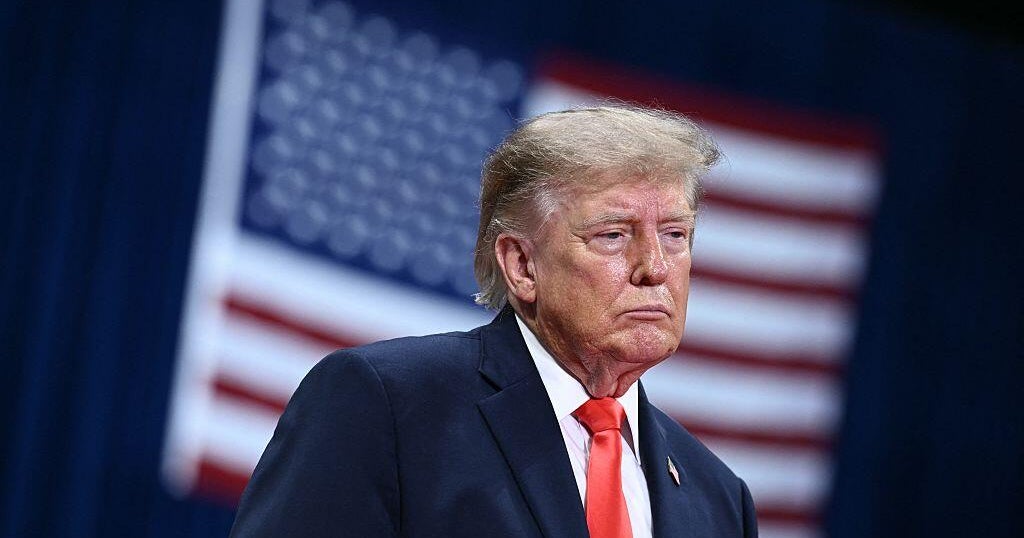
U.S. District Judge Darrin Gayles in Miami dismissed Trump's $10 billion defamation suit against the Wall Street Journal with prejudice, ruling the president was "grasping at straws." The lawsuit targeted a WSJ article about a birthday note to Jeffrey Epstein and marked Trump's second failed legal attempt against the publication.
Key points
Market impact. The ruling has minimal direct market impact but reinforces legal precedent limiting defamation claims by public figures. It signals judicial skepticism toward high-profile political litigation that lacks substantive merit, reducing tail risk for media companies facing similar suits.
Broader implications. The dismissal with prejudice prevents refiling and underscores the difficulty of winning defamation cases against established media outlets. The ruling occurs amid broader political polarization and litigation threats against press institutions.
Sources (3)NPR Business, CBS News, New York Times Business
U.S. oil companies reported surging refining earnings in recent quarters, with the industry generating over $130 billion in profit during the Iran conflict period—nearly triple prior-year levels. Geopolitical tensions in the Middle East have sustained elevated crude prices, driving exceptional downstream margins.
Key points
Market impact. Energy stocks remain bid on structural support from elevated oil prices and refining spreads. However, the windfall earnings may invite renewed political scrutiny and potential windfall tax proposals, particularly if crude prices remain elevated into the election cycle. Downstream operators benefit disproportionately from current price levels.
Broader implications. The profit surge reflects how geopolitical risk premiums in oil markets directly benefit integrated energy majors. Sustained Middle East tensions could keep refining margins elevated, but political pressure to address "excess" energy profits may intensify ahead of midterm elections.
Sources (3)NPR Business, CNBC Top Stories, New York Times Business
DoorDash's CEO cautioned investors against "delusion" over AI agent adoption, revealing the platform has received only "several hundred" orders from autonomous agents despite months of hype. Meanwhile, Wabi, an AI agent app builder, raised $55 million at a $1.25 billion valuation, signaling investor enthusiasm disconnected from current usage metrics.
Key points
Market impact. The gap between AI agent startup valuations and actual enterprise adoption suggests a valuation bubble in autonomous agent infrastructure. DoorDash's candid assessment may pressure other AI agent companies to disclose real usage numbers, potentially triggering repricing in the sector. Investors should expect significant dilution between current hype and revenue realization.
Broader implications. The AI agent narrative is repeating familiar venture patterns: massive capital deployment ahead of product-market fit validation. Real enterprise adoption remains years away, suggesting the current wave of AI agent funding may face significant write-downs.
Strong bullish +741 sourceearnings · ai · revenue · cost
Companies including Santander and Novartis reported tangible AI-driven improvements in Q3 earnings, citing revenue gains, cost reductions, and profitability improvements from deployed AI systems. This marks the first material evidence that enterprise AI investments are translating into measurable financial results rather than remaining speculative.
Key points
Market impact. Earnings evidence of AI ROI provides fundamental support for elevated software and enterprise tech valuations. Companies demonstrating concrete AI productivity gains will likely command premium multiples, while those unable to articulate AI-driven improvements face valuation pressure. This bifurcation will intensify sector dispersion.
Broader implications. The shift from AI-as-narrative to AI-as-earnings-driver validates the investment thesis behind the current tech rally. However, it also raises the bar for companies claiming AI benefits—investors will increasingly demand quantified impact rather than aspirational guidance.
The U.S. economy posted 3.4% annualized GDP growth in Q3, but inflation remains elevated, creating a mixed macro backdrop days before midterm elections. Investors face conflicting signals: solid growth supporting equities but persistent price pressures limiting Fed rate-cut expectations and pressuring bonds.
Key points
Market impact. The mixed data environment is likely to sustain elevated volatility through election day, with markets whipsawed by competing growth and inflation narratives. Tech earnings season and midterm results will be the primary drivers of directional conviction. Risk-off positioning may persist until post-election clarity emerges.
Broader implications. The economy's resilience despite rate hikes complicates the political narrative for both parties heading into midterms. A strong economy typically favors the incumbent party, but persistent inflation may offset growth benefits in voter sentiment.