Brent crude jumped to $116.26 a barrel—its highest level since early May—as tensions with Iran intensify. Trump accused Iran of market manipulation while Tehran warned it is prepared for warfare, raising the specter of strikes on Gulf oil and tech facilities. U.S. crude holds above $100.
Key points
Market impact. The Nasdaq fell 750 points and the Dow dropped 700 as investors fled equities amid dual headwinds: surging energy costs and renewed anxiety over AI spending sustainability. Energy stocks rallied, but mega-cap tech names Meta and Tesla led the selloff. Treasury yields collapsed as investors sought safety.
Broader implications. A sustained oil spike above $110 threatens to reignite inflation concerns just as the Fed prepares for a rate decision this week, complicating monetary policy. Geopolitical risk premium is now a primary market driver, overriding the AI boom narrative that dominated Q3.
Sources (3)New York Post Business, The Guardian Business, CNBC Top Stories
Nasdaq plunged more than 2% in its worst day since June as investors reassess the massive debt loads AI companies are accumulating to finance data center and chip infrastructure. The sell-off signals a pivot from euphoria to scrutiny of whether the AI capex cycle is economically sustainable.
Key points
Market impact. Treasury yields dove below 5% as investors flooded into bonds for safety, marking the biggest drop since the 2023 banking crisis. CoreWeave, a key AI infrastructure play, saw shares sink 29% in October with credit spreads widening—a canary in the coal mine for AI lending risk. The repricing reflects growing doubt about ROI timelines for trillion-dollar capex commitments.
Broader implications. The AI boom's financing model is now under trial. If debt costs rise or credit conditions tighten, the capex cycle could stall, upending growth narratives for Nvidia, Meta, and cloud providers. This marks a critical inflection point: the market is asking whether AI returns justify the leverage.
Sources (3)CBS Money Watch, CNBC Top Stories, Market Watch
The White House announced that First Lady Melania Trump secured a temporary ceasefire in Oleshky, a Russian-occupied Ukrainian city facing severe humanitarian crisis with shortages of food, water, and electricity. The agreement enables evacuation of elderly residents from the front-line city.
Key points
Market impact. Limited direct market impact, but signals a potential diplomatic channel between the Trump administration and Russia that could influence geopolitical risk premiums embedded in energy and defense stocks. Any broader ceasefire negotiations could ease oil volatility and reduce war-risk hedging.
Broader implications. This represents an unusual diplomatic role for the First Lady and suggests the Trump administration is pursuing back-channel negotiations on Ukraine. The move could foreshadow broader peace talks, though the localized nature of the ceasefire limits immediate geopolitical significance.
Sources (3)The Guardian US News, CBS News, CNBC Top Stories
Elon Musk invested roughly $1 billion into David Ellison's Skydance, the newly formed media entity born from Paramount's $111 billion merger with Warner Bros. Discovery. The move signals Musk's confidence in Ellison's vision while the media giant grapples with massive debt from the consolidation.
Key points
Market impact. The investment validates Skydance's valuation and provides fresh capital to service merger debt, easing near-term refinancing risk. It also underscores Musk's broader portfolio strategy: SpaceX posted a $561 million investment gain from its Boring Co. stake in Q3, showing his companies are generating returns from cross-holdings.
Broader implications. Musk's $1 billion bet reflects his outsized influence over major deal structures and his willingness to deploy capital into legacy media at a time when tech titans are reshaping entertainment. This accelerates the blurring of tech and media ownership.
Sources (3)CNBC Top Stories, The Guardian Business, New York Post Business
Citi and Wells Fargo have confirmed restrictions on third-party AI agents accessing customer accounts, citing security concerns. AI agents—software that can perform tasks like responding to emails or making restaurant reservations—pose a novel attack surface for financial institutions still grappling with authentication and fraud controls.
Key points
Market impact. The restrictions create friction for fintech and AI startups betting on agent-driven banking automation, potentially slowing adoption timelines. However, it also signals that major banks are taking proactive security stances, reducing systemic risk from compromised AI access—a positive for bank stock valuations long-term.
Broader implications. This is the first major regulatory pushback against AI agents in financial services, setting a precedent for how banks will manage third-party AI integration. Expect more guardrails and compliance frameworks to emerge, slowing the AI-in-banking narrative.
Sources (2)The Daily Caller, New York Post Business
Meta delivered Q3 earnings that beat analyst expectations, providing a rare bright spot amid broader tech sector weakness. The beat suggests that Meta's aggressive AI infrastructure spending is beginning to translate into revenue growth and operational efficiency gains.
Key points
Market impact. Meta's outperformance offers a counternarrative to the AI spending doom thesis, though the stock still fell alongside the Nasdaq selloff on Thursday. A successful Meta earnings could stabilize mega-cap tech valuations and provide cover for other AI-heavy spenders like Amazon and Google to justify their capex guidance.
Broader implications. Meta's results are critical to the broader AI capex debate: if the company can demonstrate that AI spending drives ad revenue and margin expansion, it validates the trillion-dollar infrastructure cycle. If not, expect further repricing of AI stocks and credit spreads.
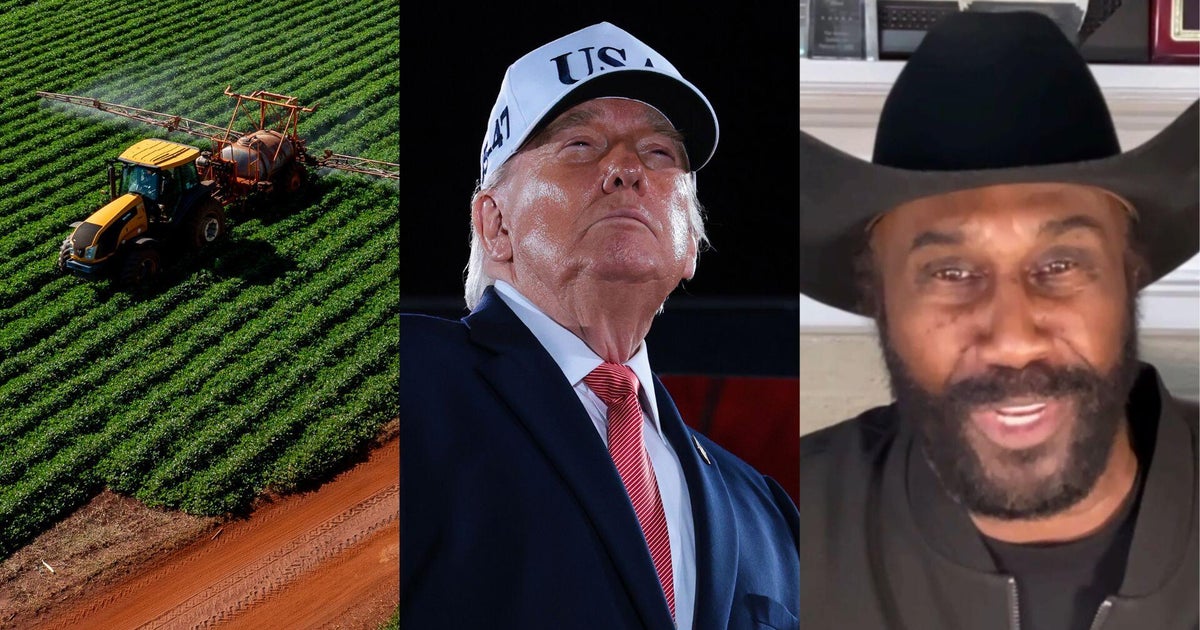
The Trump administration announced an $8 billion relief package for farmers struggling with record-high diesel prices, compounded by Iran war tensions and tariff-driven cost inflation. The USDA program requires no crop insurance and allows farmers to apply via Login.gov accounts starting immediately.
Key points
Market impact. The relief package is politically targeted at midterm support but economically insufficient: farmers say it arrives "a dime too late and a dollar too short." Agricultural commodity prices remain volatile due to energy costs and geopolitical risk, limiting the relief's real impact on farm profitability.
Broader implications. The package signals that Trump administration views agricultural support as critical to midterm messaging, but it does not address root causes: oil prices and tariff policy. Expect continued pressure on farm incomes and potential consolidation in agricultural sectors if energy costs remain elevated.
Sources (3)CBS News, New York Post Business, Foreign Policy
Strong bearish −582 sourcesmoderna · cancer vaccine · leak
Moderna's stock fell sharply after an uncontrolled leak of Phase 3 cancer vaccine data preceded the official release at a medical conference. The full data, released later Thursday, appeared positive by Wall Street expectations, but the leak damaged investor confidence and triggered a sell-first-ask-questions-later reaction.
Key points
Market impact. The stock tumble reflects market dysfunction: positive clinical data was punished due to process failure, not efficacy concerns. This creates a buying opportunity for long-term investors, but signals that biotech stocks are vulnerable to headline risk and information control issues.
Broader implications. Moderna remains one of 2026's hottest biotech plays due to its personalized cancer treatment platform, but the leak underscores governance and communication risks. Expect tighter data management protocols across the biotech sector following this incident.
Jensen Huang announced Nvidia's new DSX Pod—a plug-in data center architecture—at the company's GTC conference in Berlin, positioning it as the infrastructure backbone for European AI adoption. Huang declared that "every company in Europe will become an AI company," signaling Nvidia's aggressive push into the continent.
Key points
Market impact. The announcement reinforces Nvidia's dominance in AI infrastructure globally and suggests the capex cycle is shifting toward distributed, modular data centers rather than mega-scale facilities. This could benefit Nvidia's chip sales and support valuations for European cloud providers and telecom infrastructure plays.