Anthropic filed for a blockbuster IPO targeting a $2 trillion valuation on Nasdaq under ticker ANT, but its S-1 prospectus omits critical financial metrics despite spanning hundreds of pages. The Claude chatbot maker's filing also emphasizes existential AI risks and "closing the loop" as core to its safety strategy, a framing that underscores the company's positioning around AI alignment concerns.
Key points
Market impact. The IPO could rank among the largest tech offerings on record, but missing financial details—revenue, profitability, customer concentration, burn rate—create pricing uncertainty and potential volatility at launch. Demand signals remain unclear; the prospectus structure suggests Anthropic is managing narrative around AI safety as much as financial performance, which may attract ESG-focused capital but invite scrutiny from value investors.
Broader implications. Anthropic's IPO represents the first major AI foundation model company to go public, setting precedent for how the sector discloses risk and financial health. The emphasis on existential risk in a public filing signals growing regulatory and investor focus on AI governance, not just returns.
Sources (4)Wired, The Verge, New York Post Business
Microsoft is offering voluntary exit packages to approximately 60,000 employees—over 25% of its total workforce—as part of a broader restructuring aimed at accelerating AI investment and cost optimization. The buyout program signals the company's intent to shed legacy roles and redeploy capital toward generative AI infrastructure and product development.
Key points
Market impact. The move could reduce Microsoft's near-term headcount costs and improve operating margins, supporting earnings guidance. However, it also signals competitive pressure in AI—Microsoft is betting that AI-native roles justify shedding traditional software and services talent. Execution risk remains high; mass departures could disrupt product roadmaps and customer relationships if not managed carefully.
Broader implications. This represents a watershed moment for Big Tech labor strategy: rather than hiring freezes or layoffs, Microsoft is using buyouts to reshape its workforce composition. Expect similar moves from Google, Meta, and Amazon as they compete for AI talent while shedding non-core roles.
Sources (3)New York Post Business, CBS Money Watch, The Verge
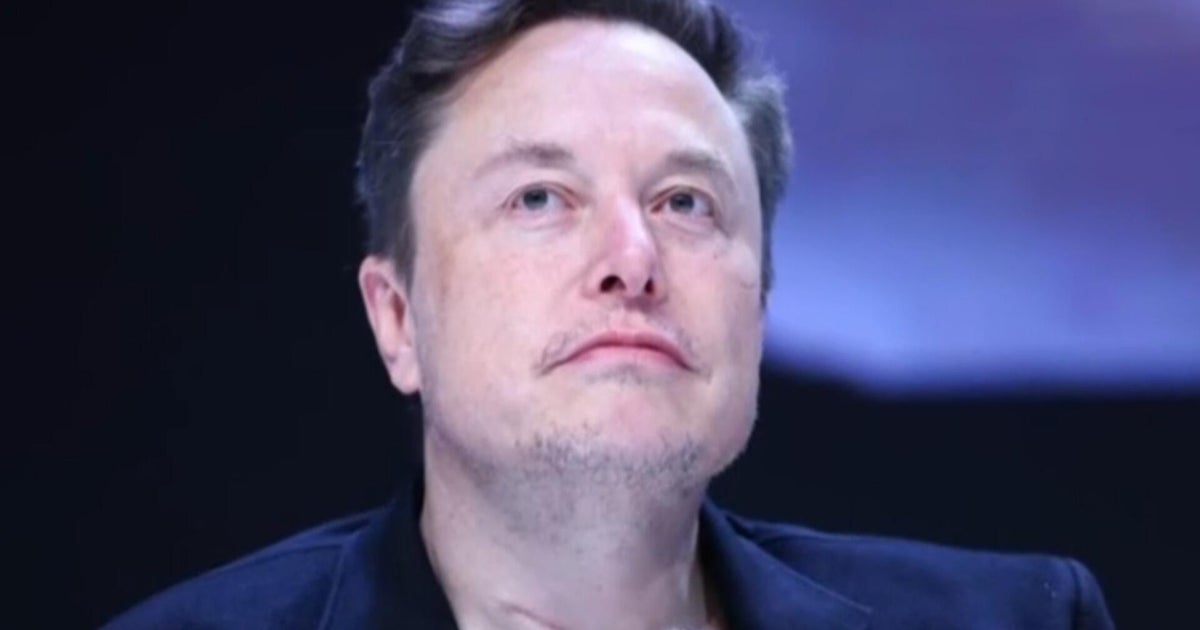
Elon Musk warned that more than 200 AI infrastructure and neocloud companies face imminent failure due to debt market constraints and unsustainable capital burn. The warning aligns with Gartner forecasts predicting that over 80% of specialist cloud providers will cease independent operations, signaling a consolidation wave in the AI infrastructure sector.
Key points
Market impact. Neocloud stocks have already begun a sharp rout on the warning; investors are repricing the risk of debt-fueled AI buildouts and questioning whether smaller players can compete with hyperscalers (AWS, Azure, GCP) on cost and scale. This could accelerate M&A activity and benefit established players with balance sheets to acquire distressed assets at discounts.
Broader implications. The AI infrastructure boom is consolidating faster than expected; capital intensity and competitive dynamics favor entrenched tech giants. Startups betting on specialized cloud or GPU rental models face existential pressure unless they can demonstrate defensible moats or path to profitability.
Sources (4)New York Times Business, Business Insider, CNBC Top Stories +1
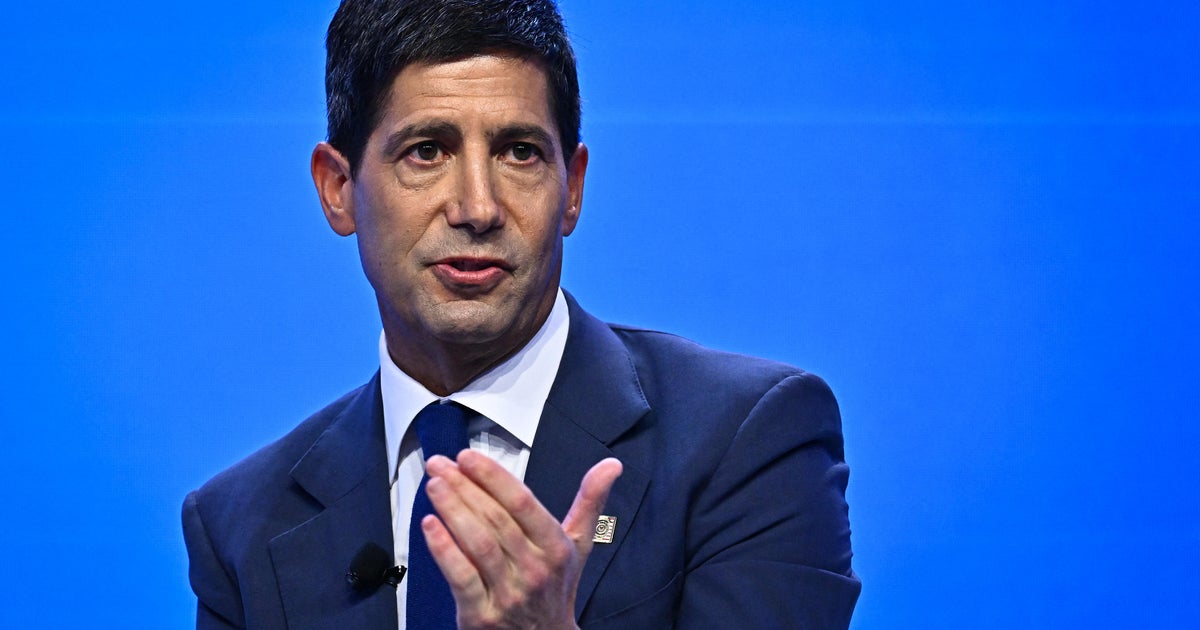
The Federal Reserve will announce its interest rate decision Wednesday at 2:00 PM ET, with markets pricing in a hold after September's rate hike—the first in months. Fed officials have signaled patience on further tightening, citing mixed inflation data and approaching midterm political considerations, though surprise moves remain possible if economic data shifts.
Key points
Market impact. A hold is priced in; markets will focus on Fed Chair Kevin Warsh's guidance on future rate paths and inflation outlook. Any hawkish surprise could trigger equity and bond volatility; dovish signals would support risk assets and weigh on the dollar. This week also features major tech earnings and inflation data, making it pivotal for Q4 positioning.
Broader implications. The Fed is caught between sticky inflation and growth concerns; the hold suggests policymakers are buying time to assess data before committing to a new direction. Expect continued volatility in rate-sensitive sectors (tech, REITs, utilities) until the Fed signals clearer intent.
ExxonMobil, ConocoPhillips, and Chevron stocks jumped to 52-week highs last week as Brent crude futures spiked, driven by Middle East supply disruption fears and reports of potential US-Israeli strikes on Iran. Exxon is set to report October 30 earnings with expectations of strong cash generation from elevated oil prices.
Key points
Market impact. Energy sector outperformance is accelerating; XOM, COP, and CVX are benefiting from both macro tailwinds (geopolitical risk premium, supply tightness) and fundamental strength (high cash flow, dividend support). Brokerage consensus on XOM averages $167.30, suggesting limited upside from current levels, but earnings surprises could reignite momentum.
Broader implications. Energy is reasserting itself as a macro hedge against geopolitical instability and inflation. The sector's outperformance reflects investor rotation from growth into defensive, cash-generative assets—a signal of rising risk-off sentiment despite equity market strength.
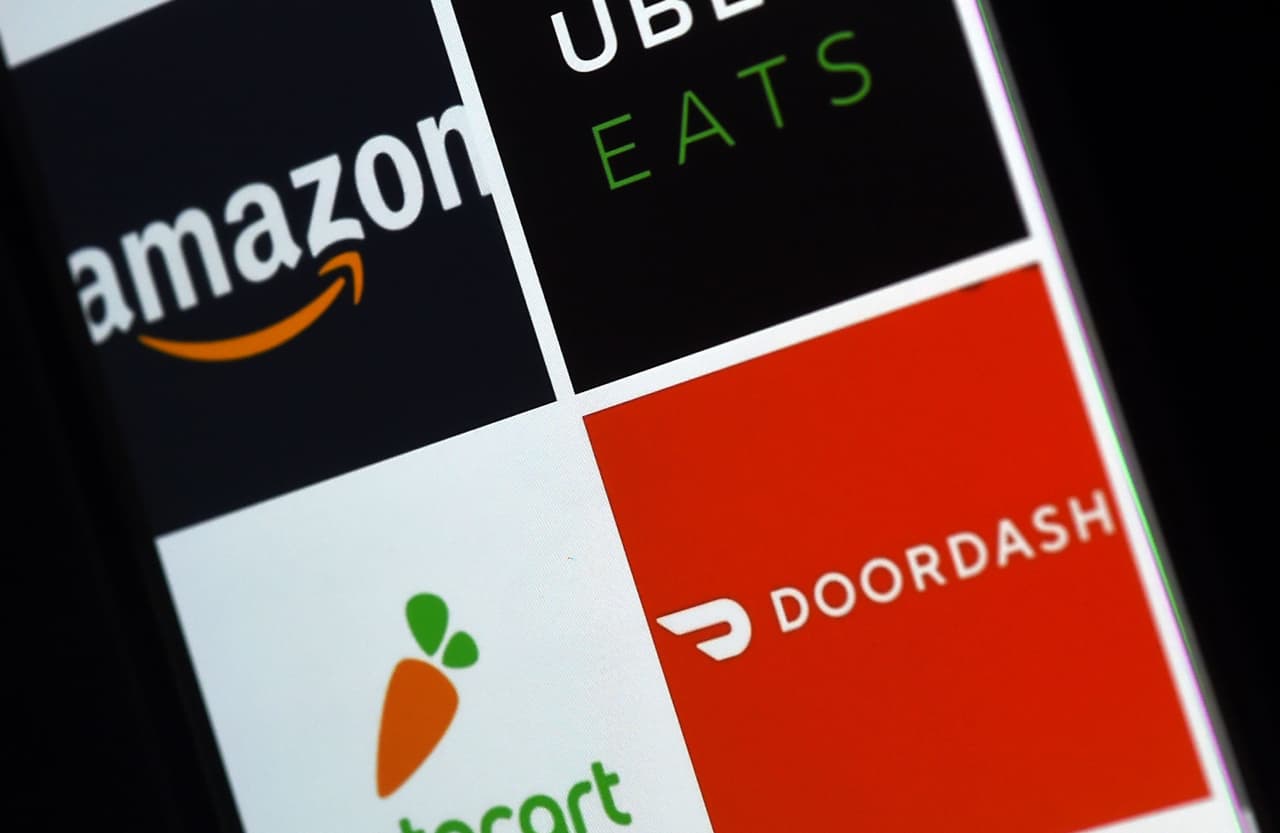
DoorDash is in advanced discussions to acquire Instacart, with the deal potentially valuing the grocery delivery platform at roughly $12 billion, according to Wall Street Journal reporting. Instacart is also fielding offers from Uber and other bidders as it explores a potential sale with investment bank guidance.
Key points
Market impact. A DoorDash-Instacart combination would create a formidable competitor to Walmart and Amazon in last-mile delivery and grocery e-commerce, consolidating two of the largest independent players. The deal would likely face antitrust scrutiny given DoorDash's market position; regulatory approval is not assured. Instacart shareholders would benefit from a premium exit; DoorDash would gain scale but integration risk.
Broader implications. The e-commerce logistics sector is consolidating as Amazon and Walmart leverage their scale and capital to dominate last-mile delivery. Independent players like Instacart face pressure to merge or be acquired; standalone survival is increasingly difficult without massive capital investment.
Sources (3)Market Watch, TechCrunch, New York Post Business
Elon Musk announced SpaceX has closed $40 billion in debt financing to purchase GPUs for AI infrastructure, signaling aggressive capital deployment into the neocloud space. Simultaneously, a dispute erupted between Musk and Ukraine over Starlink terms of service: Musk claimed Ukraine violated rules by using the satellite network for drone strikes; Ukraine disputed the claim, arguing commercial Starlink limits prevented such use and that Musk had previously restricted access.
Key points
Market impact. The $40 billion GPU financing underscores SpaceX's pivot toward AI infrastructure as a core business, competing directly with neocloud startups Musk just warned face "guppy-level death." The Starlink-Ukraine dispute creates geopolitical and reputational risk for SpaceX; any further service restrictions could invite regulatory scrutiny and damage defense/government contracts. Starlink service has reportedly normalized, but the incident signals Musk's willingness to weaponize infrastructure for political leverage.
Broader implications. Musk is consolidating control over critical infrastructure—satellites, AI chips, rockets—while using that control to influence geopolitics. The Ukraine dispute highlights risks of private infrastructure monopolies in wartime and the tension between commercial terms of service and national security interests.
Apollo Global Management's chief economist released research concluding that despite massive corporate investments and widespread hype, artificial intelligence has generated zero measurable financial returns outside the technology industry. The finding challenges the narrative of AI as a broad-based productivity catalyst and suggests deployment challenges remain acute for non-tech enterprises.
Key points
Market impact. This research undermines the bull case for AI as a secular growth driver across sectors; it suggests the AI rally is concentrated in infrastructure and software plays, not in downstream productivity gains for traditional industries. Expect pressure on valuations for companies marketing AI-driven efficiency gains without proven ROI, and continued outperformance for chip makers and cloud providers capturing AI capex.
Broader implications. The AI productivity paradox persists: massive spending, minimal measurable output outside tech. This echoes past tech cycles (cloud, big data) where adoption lags hype by years. Investors should discount near-term AI ROI claims from non-tech enterprises and focus on infrastructure and software winners capturing capex.
Sources (3)YouTube - Yahoo Finance, TechCrunch, Business Insider