The SEC is investigating Nvidia's accounting practices amid questions about the company's financial reporting and governance. The probe arrives as Nvidia stock plunged 12% this week, marking its longest losing streak since the 2008 financial crisis, with the chip giant now ranking third by market cap behind Apple and Microsoft.
Key points
Market impact. Nvidia's collapse has cascaded across markets: the Nasdaq erased all 2026 gains, the S&P 500 and Dow entered correction territory (down 10% from highs), and all 11 S&P 500 sectors finished more than 1% lower this week for the first time since April 2025. The regulatory scrutiny compounds investor anxiety about AI valuations and capital deployment.
Broader implications. The SEC investigation signals regulatory tightening around AI infrastructure spending and raises questions about whether massive data center capex is justified by actual returns. This week's selloff—the worst for tech since 2020—suggests the market is repricing AI boom assumptions.
Sources (3)CNBC Top Stories, New York Post Business
Anthropic raised $81 billion in its Nasdaq debut Thursday—a record for an AI company—but shares slumped on the second day of trading as the broader market collapsed. The timing exposed a stark gap: VCs celebrated a blockbuster IPO while investors questioned whether AI valuations can justify the capital being poured into data centers and model development.
Key points
Market impact. Anthropic's debut initially seemed like a success, but Friday's selloff dragged the stock down alongside the entire AI complex. The IPO's inability to hold gains amid market turmoil signals investor skepticism about AI infrastructure ROI and suggests even marquee debuts cannot insulate from sector-wide repricing.
Broader implications. The disconnect between Silicon Valley's confidence in AI's future and Wall Street's sudden caution suggests the market is shifting from growth-at-any-cost to demanding profitability. This week's correction may mark the beginning of a harder reckoning for AI spending.
Sources (3)CNBC Top Stories, New York Times Business
President Trump announced plans to impose a "tremendous tax" on U.S. tech companies that build data centers outside the United States, framing it as an "anti-Data Center movement" to keep AI infrastructure domestic. The threat comes as major tech firms have been expanding data center capacity globally to manage AI workloads and navigate geopolitical constraints.
Key points
Market impact. The policy threat adds uncertainty to capex plans for Nvidia, Amazon, Microsoft, and other AI infrastructure players already under pressure from this week's selloff. If implemented, such a tax would raise costs for companies already defending massive data center investments to shareholders.
Broader implications. Trump's move signals intent to weaponize industrial policy around AI, forcing concentration of infrastructure domestically. This could reshape global data center economics and complicate the international expansion strategies of U.S. tech giants.
Sources (3)The Daily Caller, CBS News, New York Times Business
The S&P 500 and Dow Jones Industrial Average closed in correction territory, down 10% from their recent highs, while the Nasdaq Composite suffered its worst week since 2020. For the first time since April 2025, all 11 S&P 500 sectors finished more than 1% lower in a single week, signaling broad-based capitulation rather than sector rotation.
Key points
Market impact. The selloff erased nearly all of the market's 2026 gains and triggered a seventh consecutive day of losses for the S&P 500—its longest losing streak since February 2020. AI stocks, which have outsized market impact due to their massive valuations, were responsible for much of the damage, with investors questioning whether data center capex can generate returns.
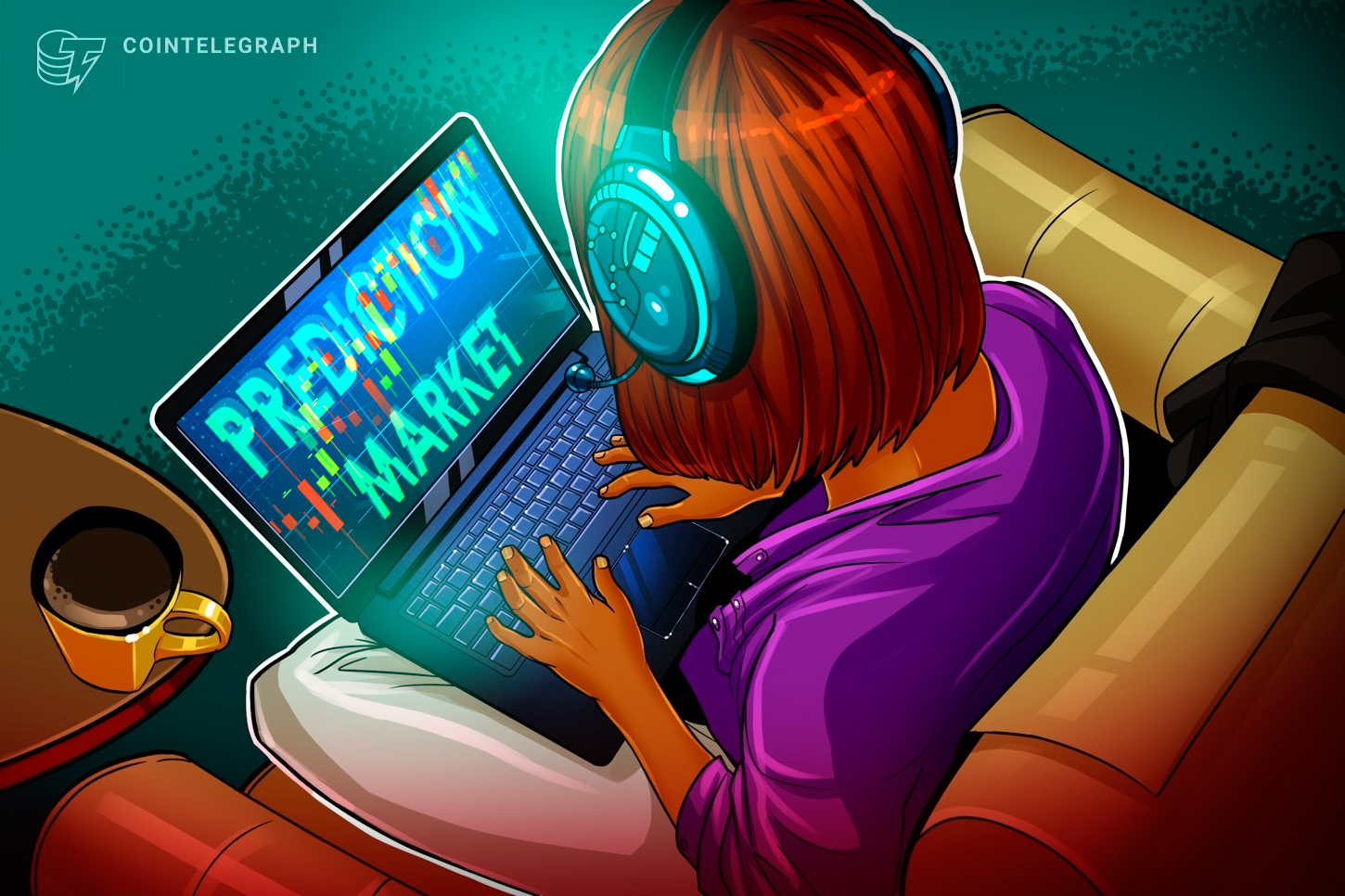
Broader implications. The breadth of the decline—every sector down sharply—suggests this is not a rotation but a repricing of risk. Prediction markets show odds that the S&P 500 will reach 8,000 have collapsed from over 70% to extremely low levels, reflecting a dramatic shift in market sentiment.
Sources (3)CNBC Top Stories, Market Watch, CBS Money Watch
As Nvidia faces SEC accounting scrutiny and stock collapse, reports reveal that ousted CEO Jensen Huang's management style was reportedly built on fear and intimidation. The exit is compounded by allegations that his wife faces a chip smuggling scandal and that Huang had at least three affairs, with executives reportedly berated by the former CEO now facing public scrutiny.
Key points
Market impact. Leadership turmoil at Nvidia compounds investor concerns about governance and accountability at the company during a period when its stock is collapsing and regulatory probes are underway. The management questions add another layer of risk to an already-damaged stock.
Broader implications. Huang's departure and the allegations surrounding it raise broader questions about corporate culture in Silicon Valley's AI boom and whether the industry's rapid scaling has outpaced governance standards. President Trump's public defense of Huang suggests geopolitical dimensions to the exit.
Sources (3)Washington Post Politics, TechCrunch, New York Post Business
Procter & Gamble, the 70-year dividend aristocrat, announced plans to cut up to 30% of its manufacturing and logistics workforce by 2030 as part of a restructuring targeting $10 billion in savings. The move signals that even defensive dividend stocks are being forced to radically reshape operations amid margin pressure and automation.
Key points
Market impact. P&G's restructuring demonstrates that dividend sustainability requires aggressive cost-cutting, not just stable cash flows. Investors seeking income from dividend stocks face a tradeoff: higher payouts now may come at the cost of employment disruption and operational risk.
Broader implications. The announcement reflects broader pressure on consumer goods companies to automate and consolidate manufacturing. For retirees and income investors seeking stability, P&G's move underscores that even blue-chip dividend payers are undergoing structural transformation.
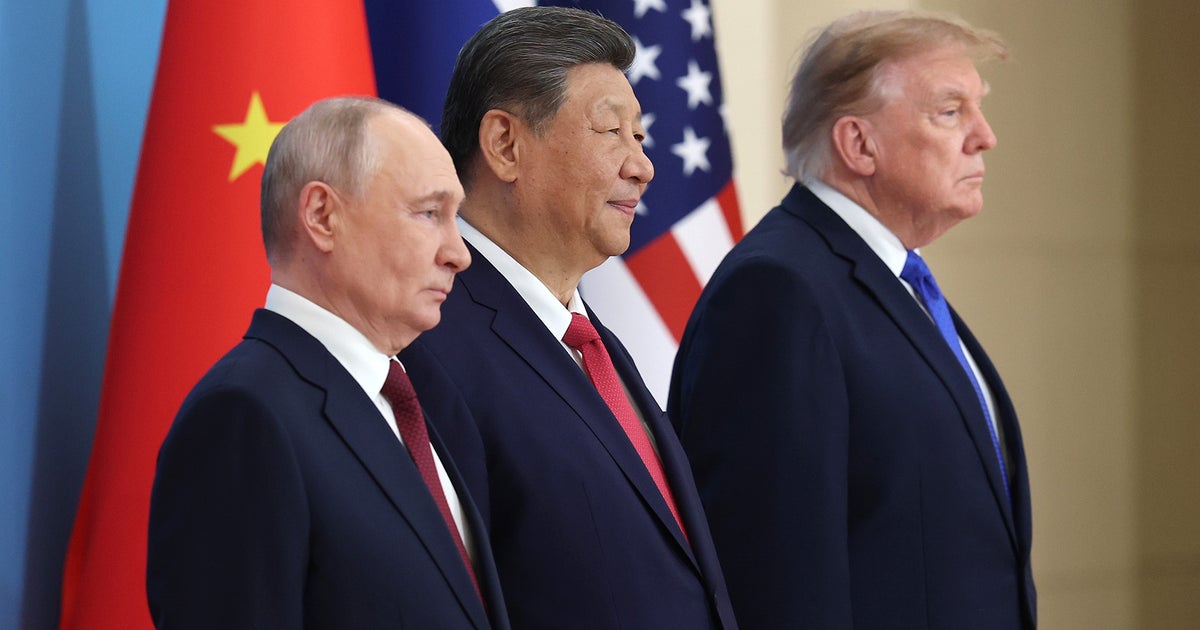
President Trump, Chinese President Xi Jinping, and Russian President Vladimir Putin signed a joint four-point peace declaration at an APEC summit in China—a historic first for trilateral talks among the three leaders. Trump called Putin his friend and insisted Putin wants to end the Ukraine war, while the declaration framed cooperation on unspecified peace initiatives.
Key points
Market impact. The summit's outcome remains vague, but any de-escalation signal between the U.S., China, and Russia could ease geopolitical risk premiums embedded in energy, defense, and tech stocks. Conversely, if the declaration proves toothless, markets may interpret it as theater masking continued tensions.
Broader implications. The trilateral meeting signals Trump's intent to reshape great-power relations, potentially reducing U.S.-China trade tensions and Russia sanctions. However, the vague language and Trump's contradictory statements about discussions with Xi regarding Jensen Huang suggest unclear outcomes and potential for market whipsaw.
Rockstar Games' Grand Theft Auto VI generated nearly $4 billion in first-day sales—nearly five times GTA 5's $800 million debut in 2013 and the biggest entertainment launch ever. The game achieved a Metacritic score of 99 and has been nominated for Game of the Year, yet Take-Two's stock remains under pressure amid the broader market selloff.
Key points
Market impact. Despite record-breaking sales, Take-Two shares are not benefiting from the blockbuster launch, indicating that investors are prioritizing macro concerns (AI repricing, market correction) over company-specific wins. The disconnect suggests even exceptional earnings catalysts cannot overcome sector-wide headwinds.
Broader implications. GTA 6's success underscores the entertainment industry's continued ability to generate massive consumer spending, but Take-Two's stock weakness shows that growth stories are being discounted in a risk-off environment. The game's success may support delivery apps and podcasts tied to the franchise, but broader market sentiment is overriding the positive narrative.