Industrials
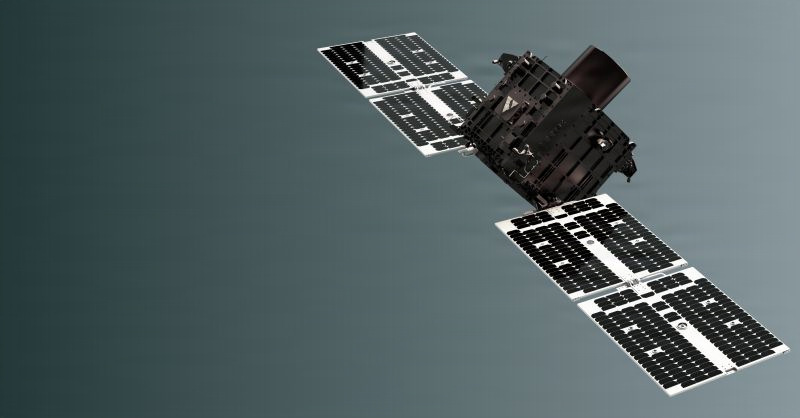
Space Force picks two companies to build new 'space-to-space' satellites by 2028
The Pentagon announced Northrop Grumman and True Anomaly will build new ISR satellites in space, after admitting the U.S. already has weapons in orbit.

 Glideslope AI-powered market news
No market stories in the last 7 days. The latest coverage is below.
No scored stories in the last 7 days.
| Day | Mood | Stories |
|---|---|---|
| Sat, Oct 10 | — | 0 |
| Fri, Oct 9 | — | 0 |
| Thu, Oct 8 | — | 0 |
| Wed, Oct 7 | — | 0 |
| Tue, Oct 6 | — | 0 |
| Mon, Oct 5 | — | 0 |
| Sun, Oct 4 | — | 0 |
| Sat, Oct 3 | — | 0 |
The Pentagon announced Northrop Grumman and True Anomaly will build new ISR satellites in space, after admitting the U.S. already has weapons in orbit.
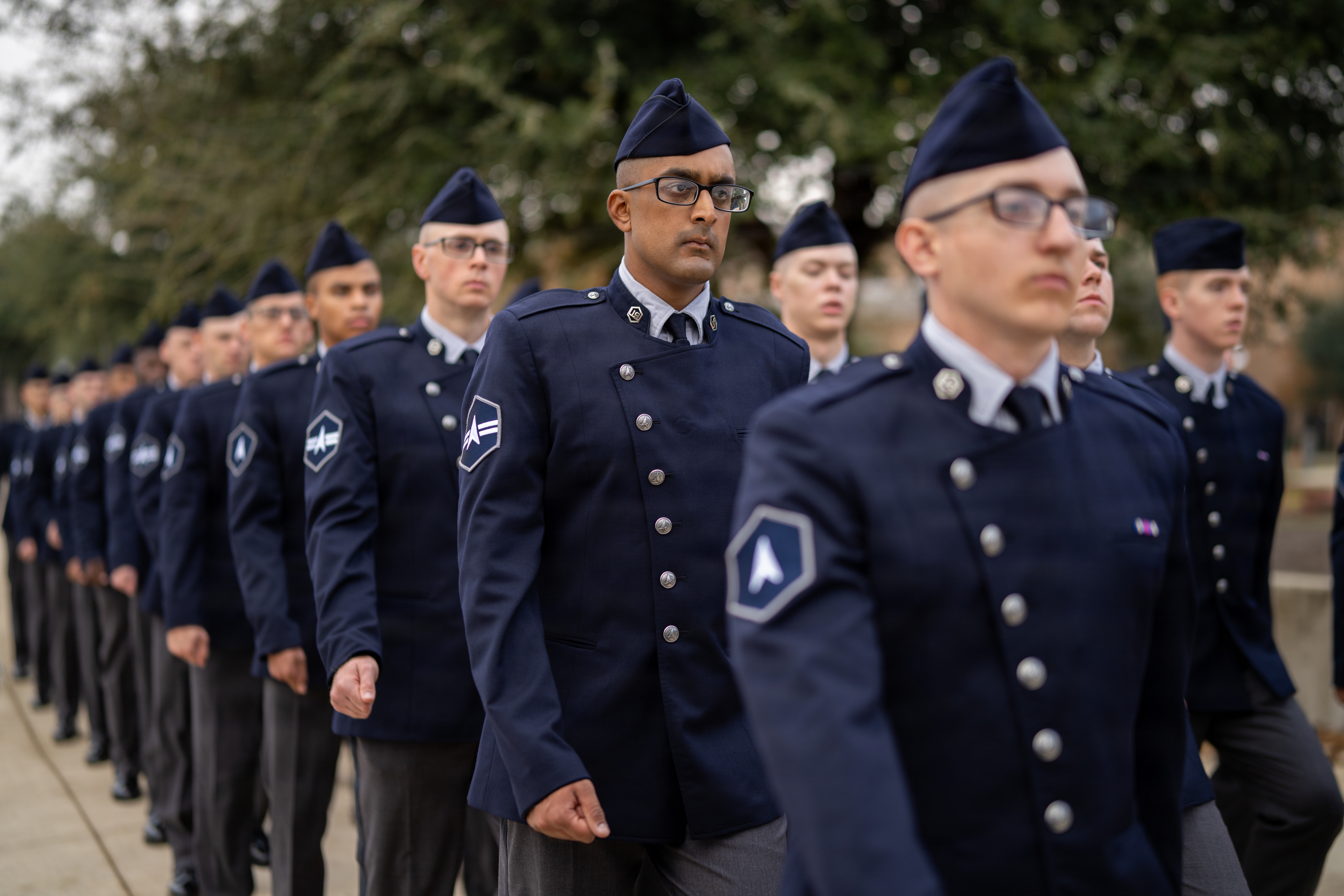
The U.S. Space Force wants to double its uniformed ranks in the next five years.
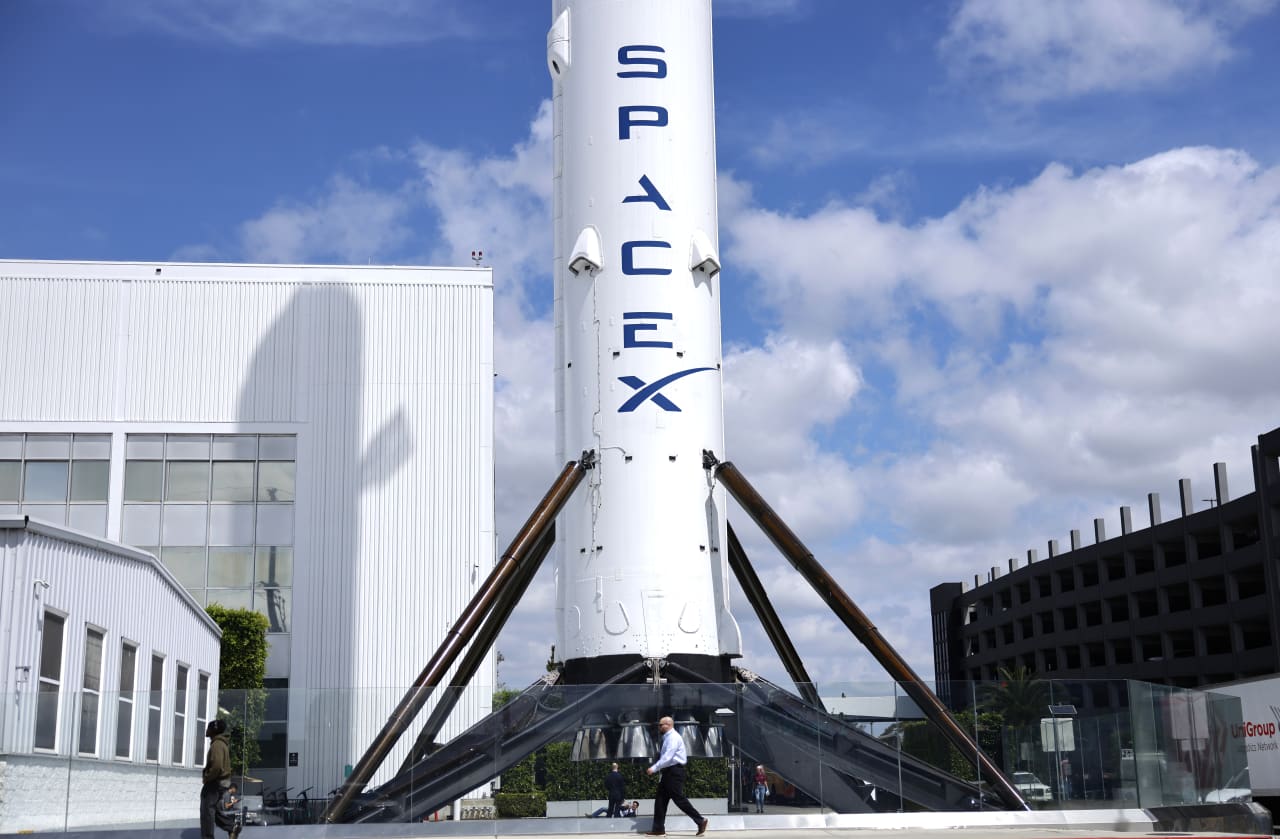
SpaceX already generated one-fifth of its 2025 revenue from government contracts, the company revealed in its IPO filing.

The U.S. Space Force on Tuesday awarded SpaceX a new, pricy satellite contract, further tying the company to its biggest customer.
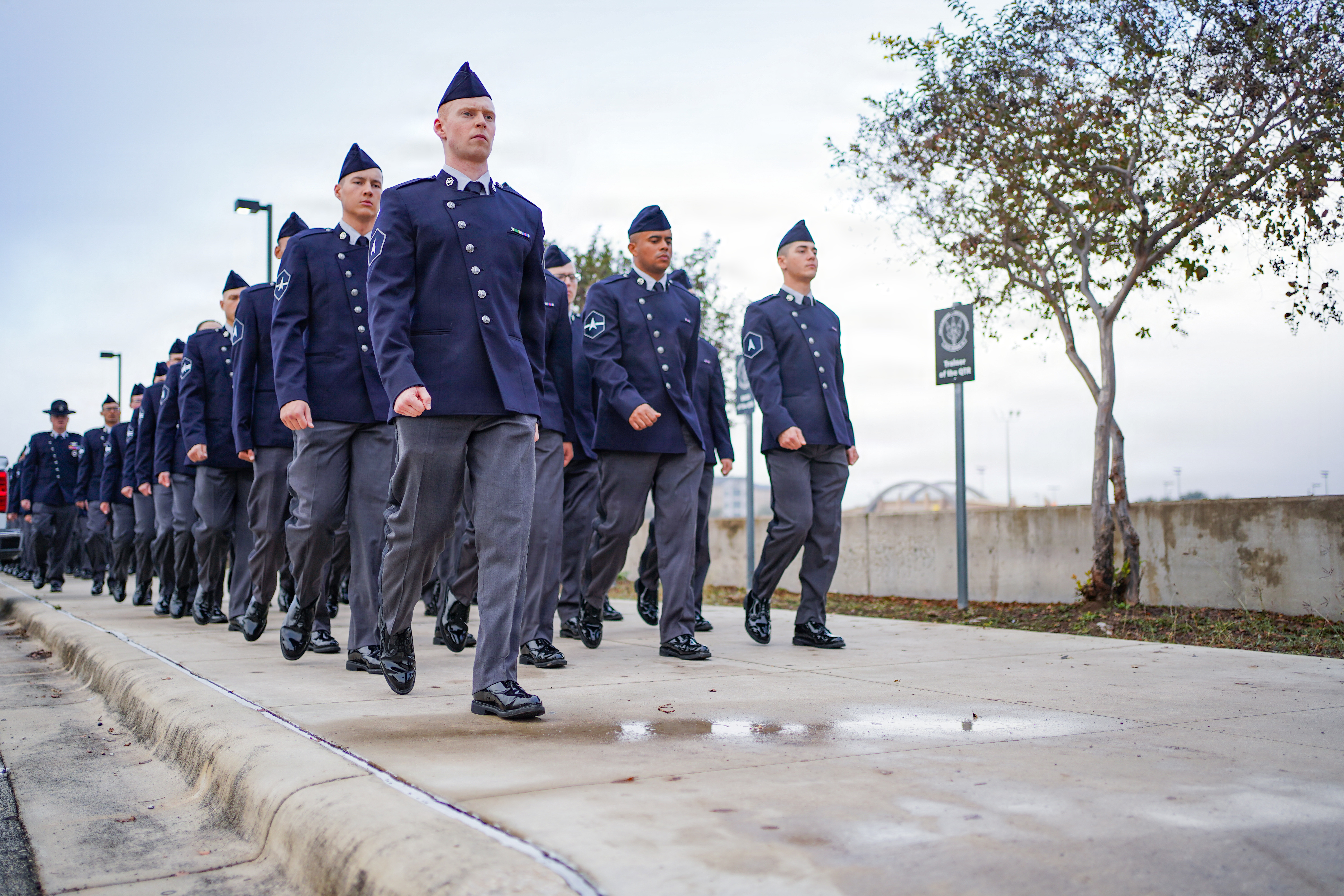
A new Space Force vision document grapples with the future of space warfare and how the service can prepare for it.
A United Launch Alliance Vulcan rocket carrying classified Space Force payloads suffered a booster problem but apparently made an otherwise "nominal" ascent to…
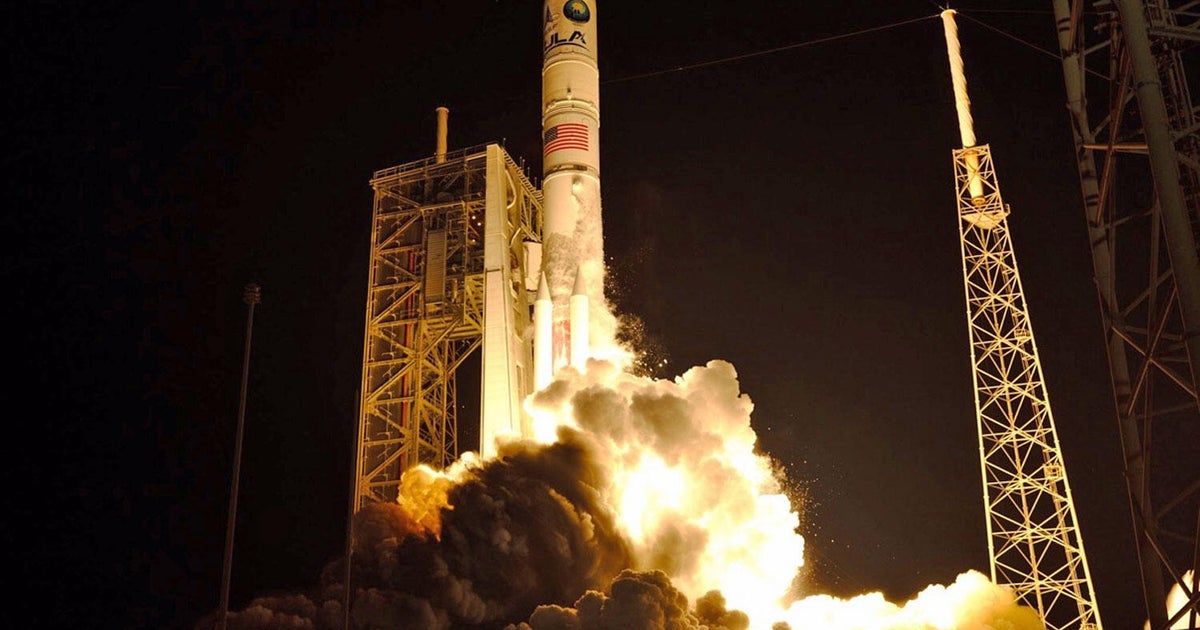
If developed, Space Launch Complex-14 would become the first dedicated super-heavy launch complex on the West Coast.
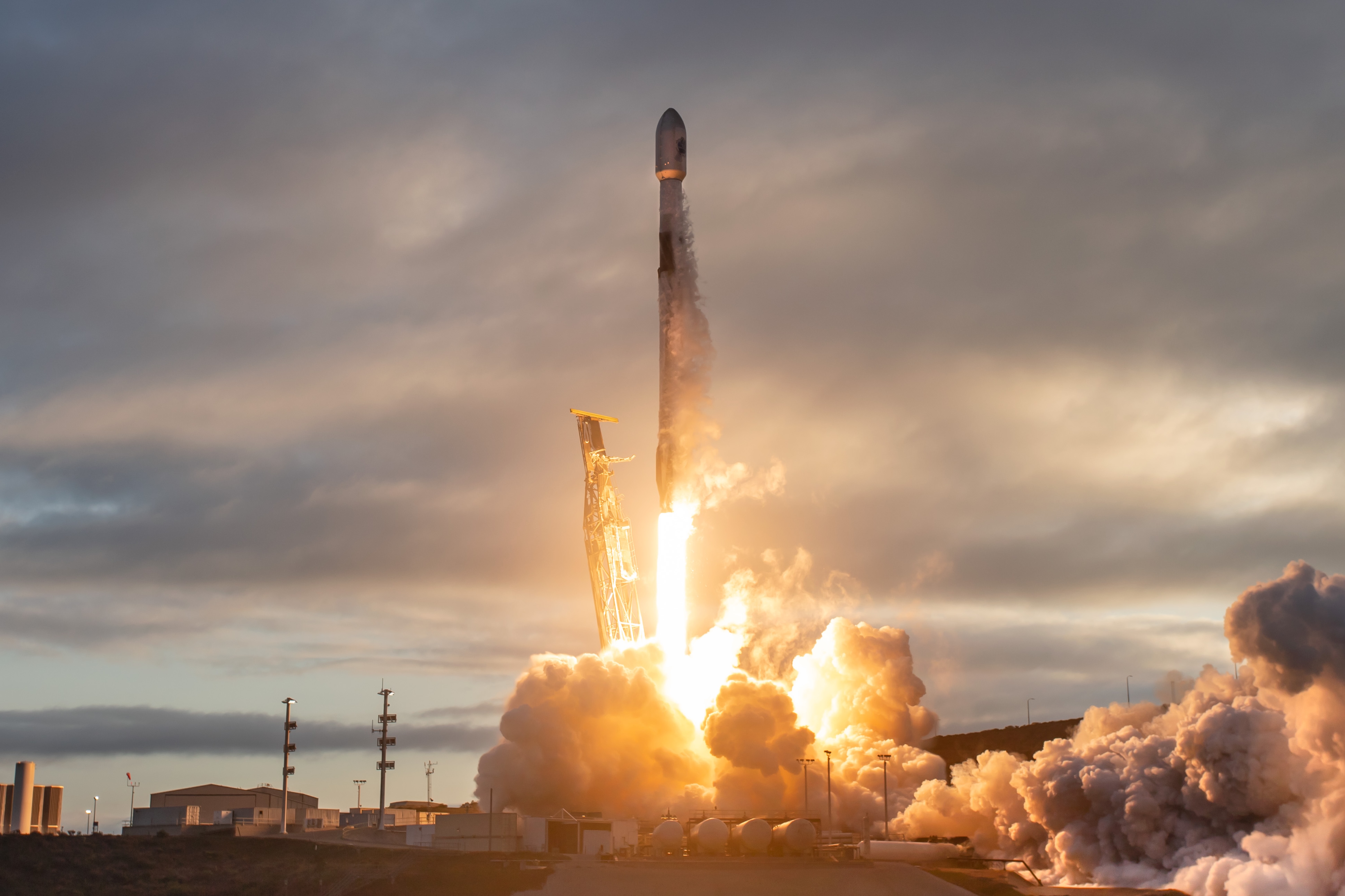
The U.S. Space Force is looking for advanced technologies for space-based interceptors that can intercept ballistic missiles during their boost phase.

China is catching up to the U.S. military's space capabilities at an "incredible pace," said Lt. Gen. Douglas Schiess.
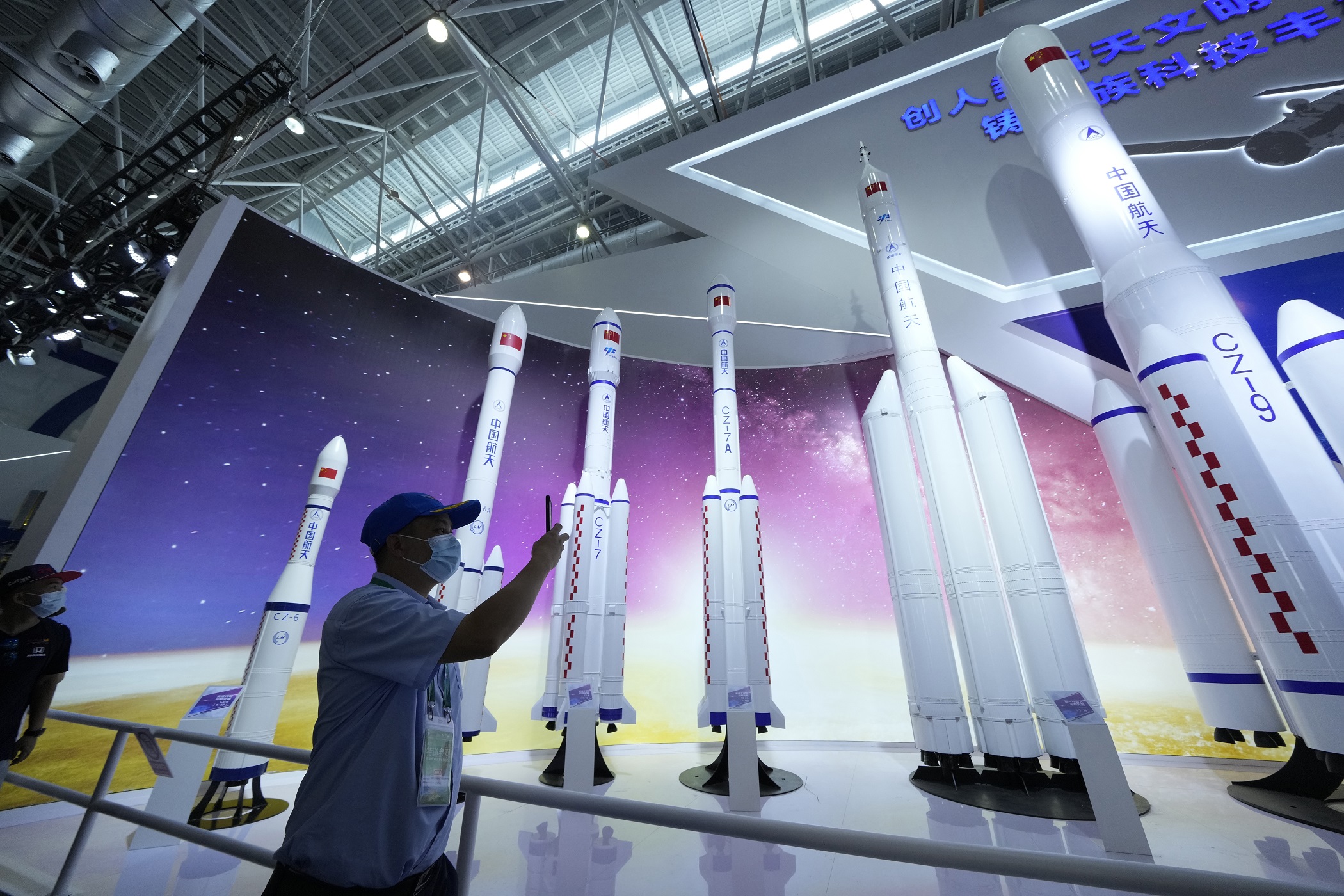
An exclusive look at a Space Force training exercise offered rare insights into how the secretive branch is preparing to fight the next war in space - an arena…

The sweeping contract covers operations and maintenance of the Space Force's two major launch ranges.

The spacecraft flew from NASA's Kennedy Space Center in Florida on a SpaceX Falcon 9 rocket.
New weapons are at the forefront of budget priorities for the Air Force and Space Force, while the spending plans also seek almost $2.3 billion in cuts.
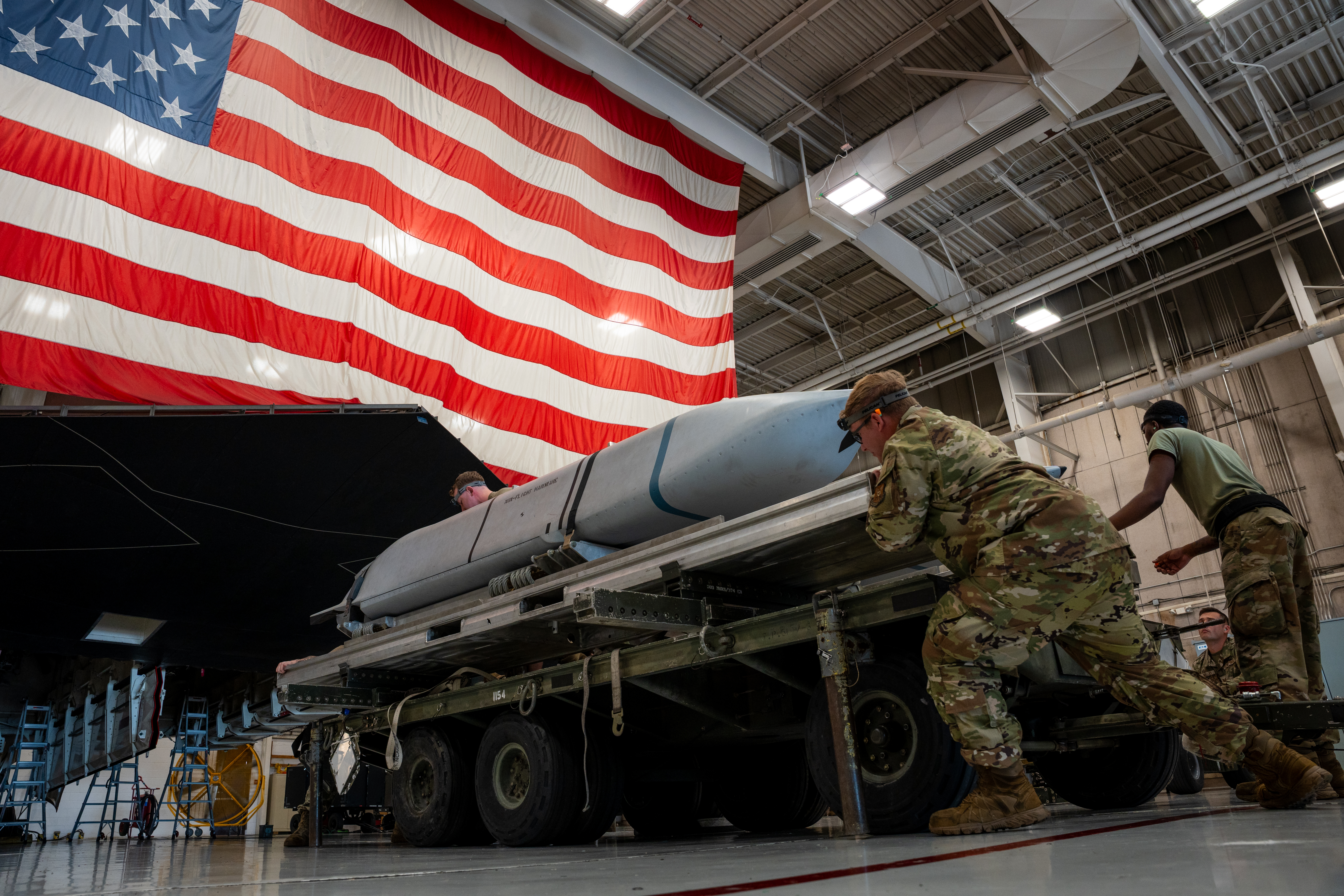
The event drew participants from U.S. industry and allied nations to consider what technologies might be needed to operate in space 10 years from now.
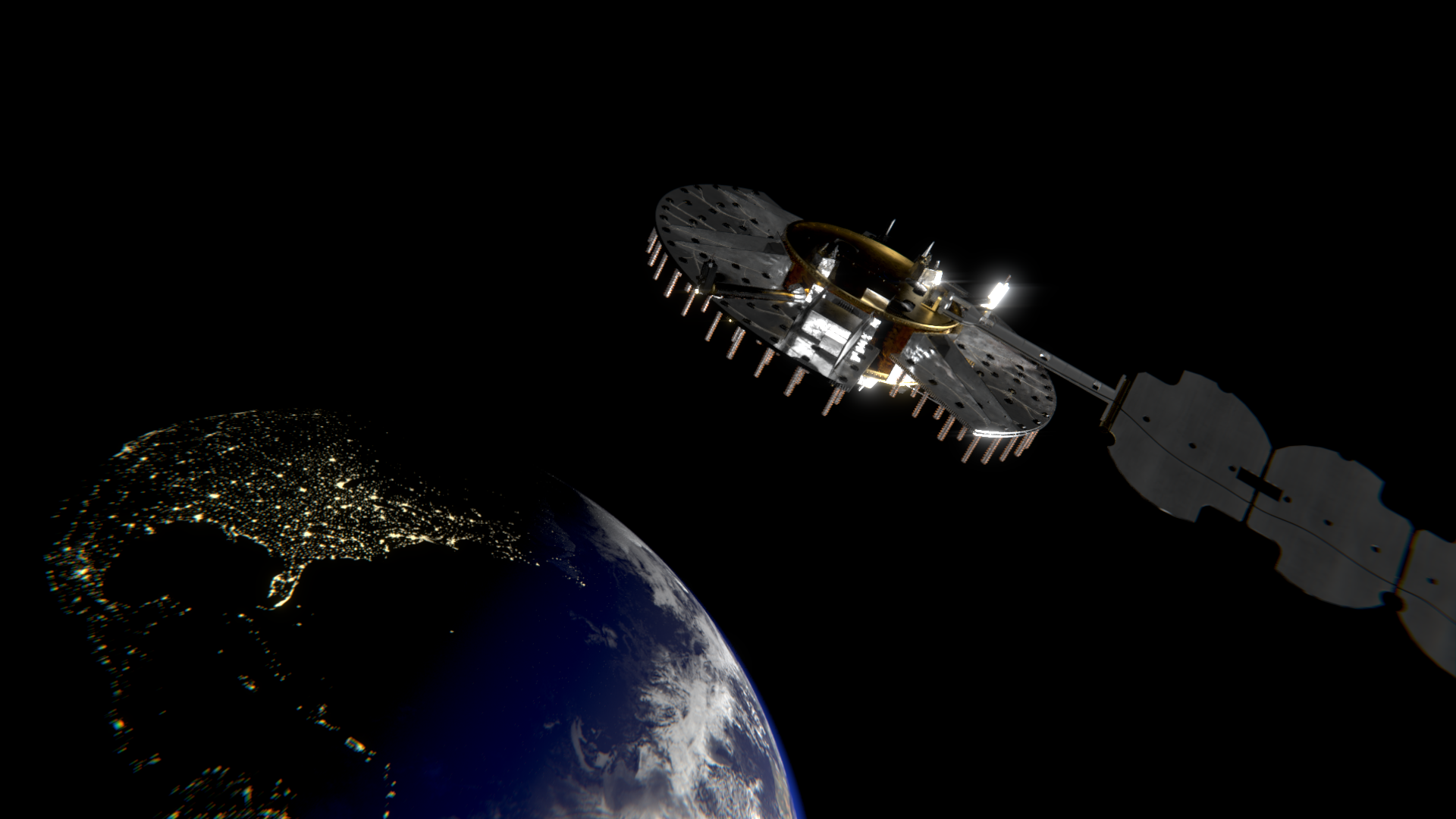
The mission is AFRL's first major PNT demonstration since 1977, when it launched NTS-2 - a satellite that helped shaped the modern GPS constellation.
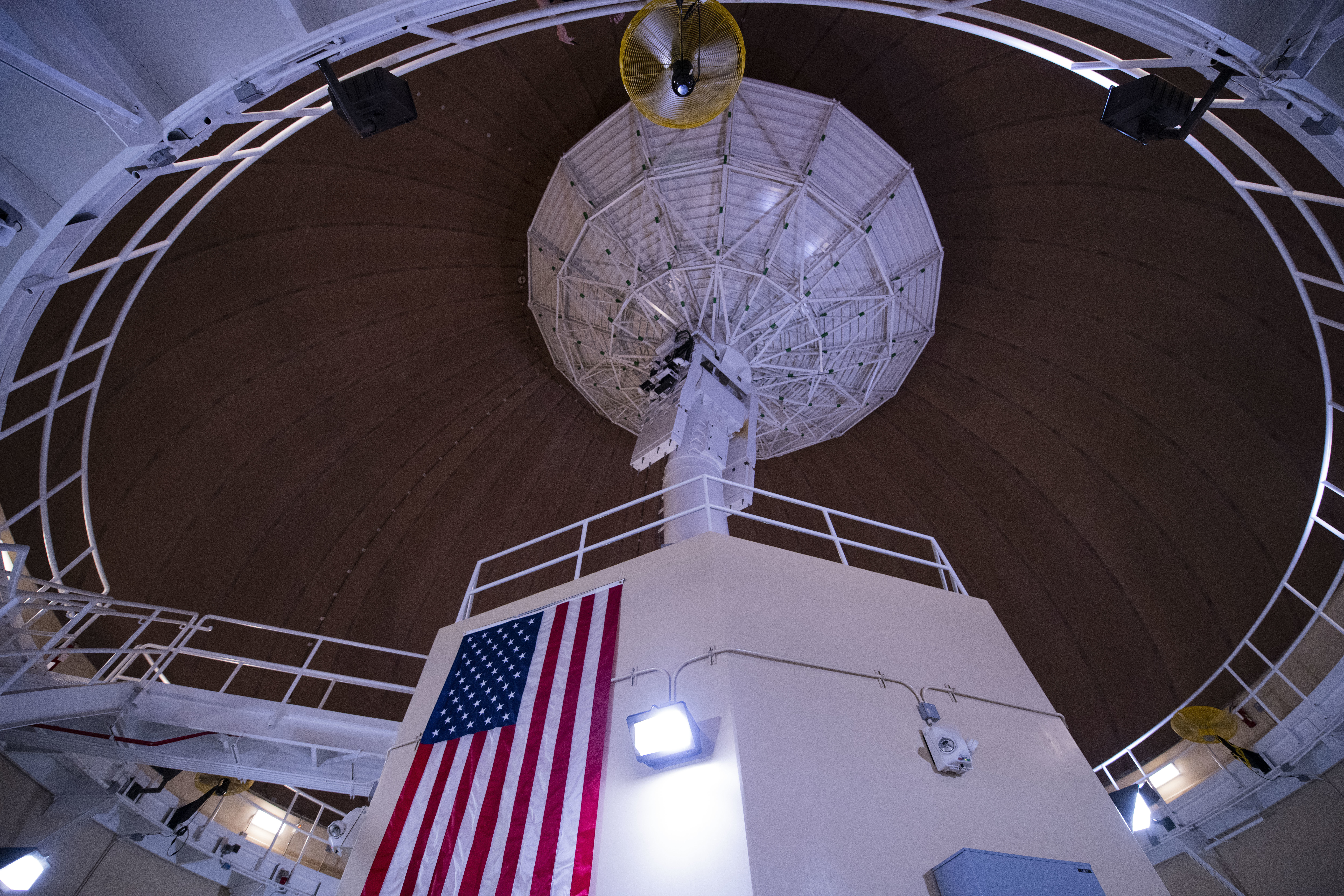
Each military branch needs at least two things to succeed: a clear mission and a sufficient budget. The U.S. Space Force so far has only one of them.
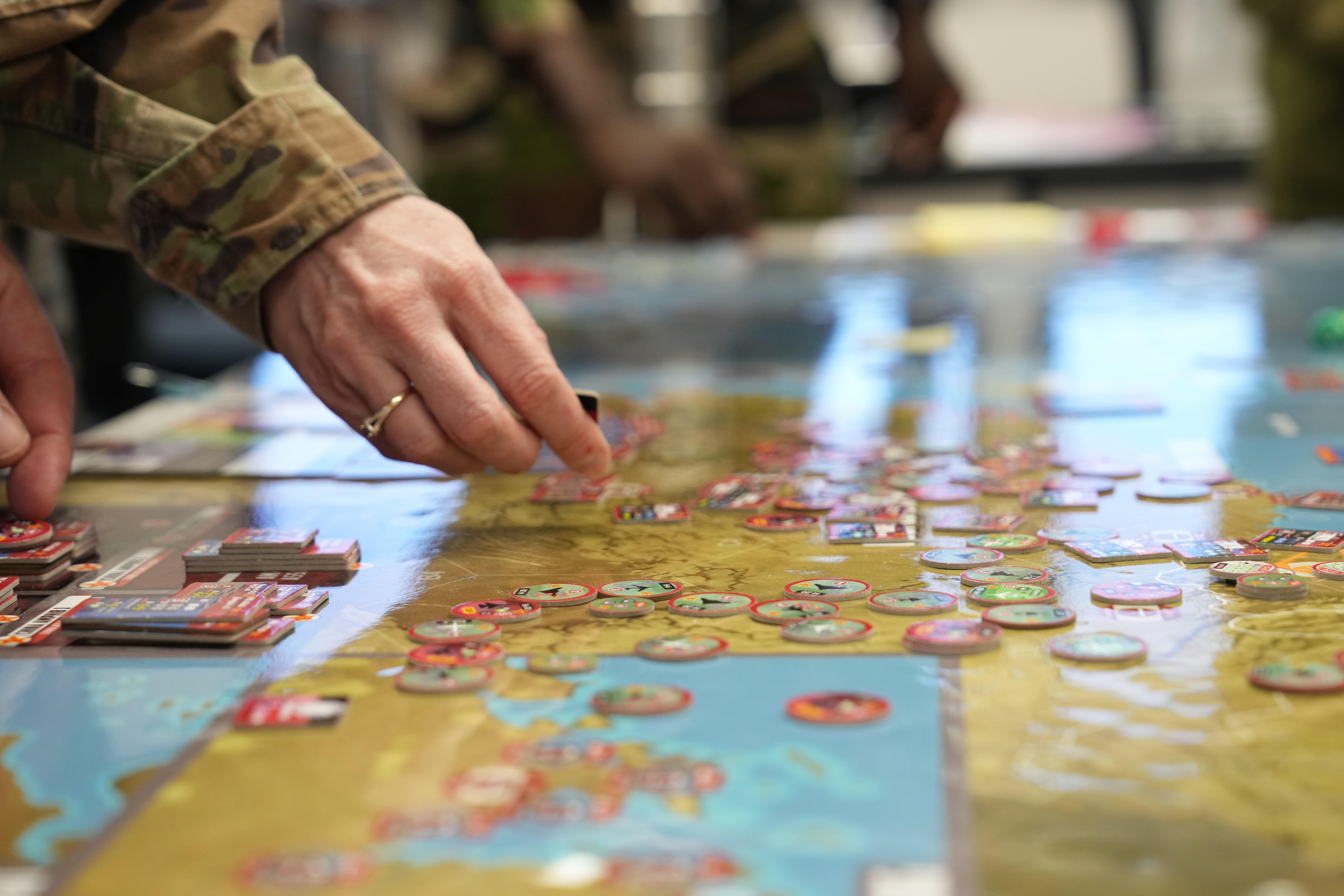
The two-week wargame is focused on understanding what capabilities and operational concepts the Space Force might need 10 years into the future.
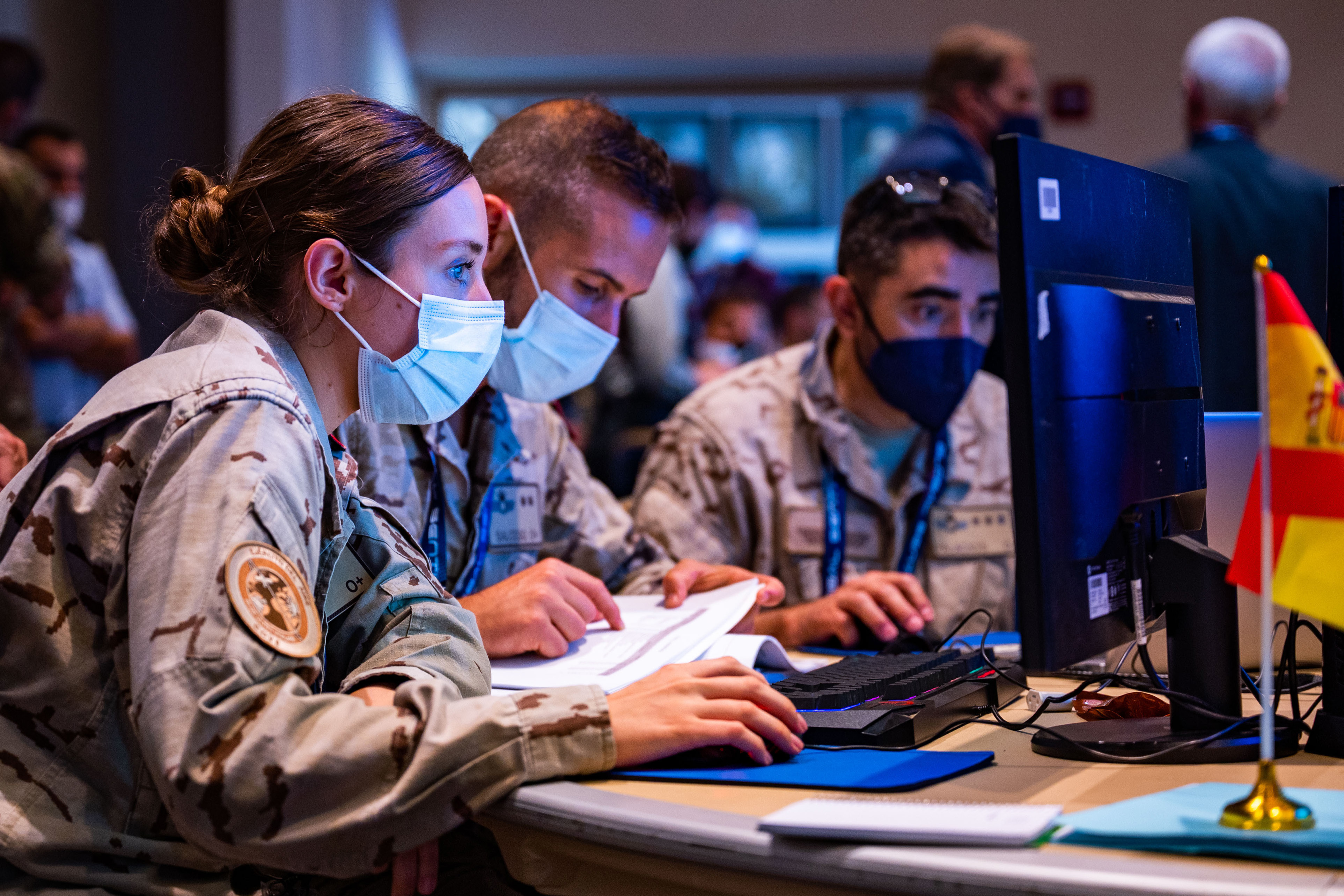
The service plans to launch initial ground moving target indicator satellites over the next year, according to Lt. Gen. DeAnna Burt.

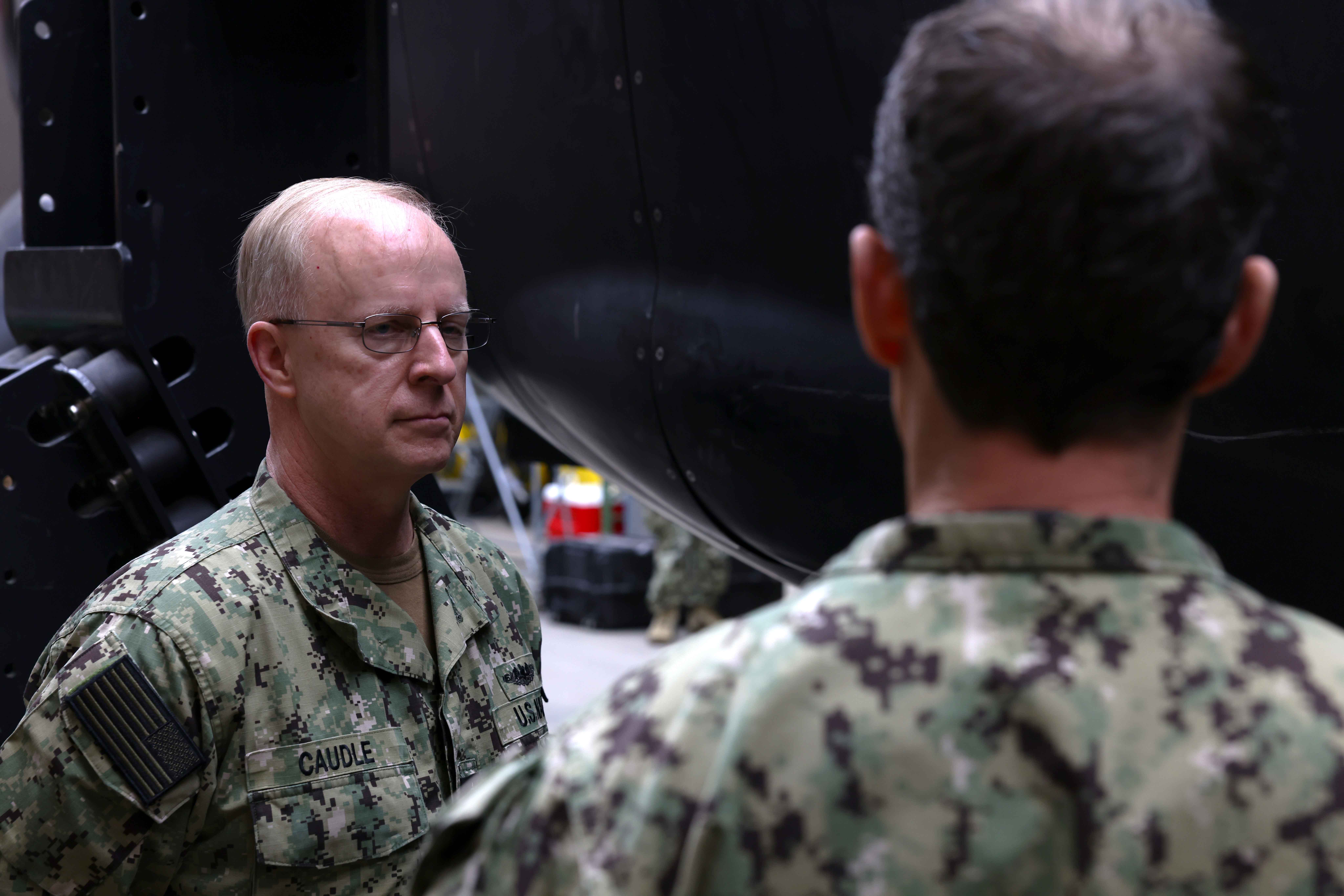
Adm. Daryl Caudle, who has been the commander of U.S. Fleet Forces Command since 2021, was approved as the next chief of naval operations.
The service awarded Boeing, Northrop Grumman, Intelsat, Viasat and Astranis a combined $37 million for the effort.
The mission will test laser communications using commercial satellite networks and the use of quantum inertial sensors in GPS-denied environments.

STARCOM plans to transition Swarm to a cloud-based environment in the next year or two if it has the funding to support the effort.
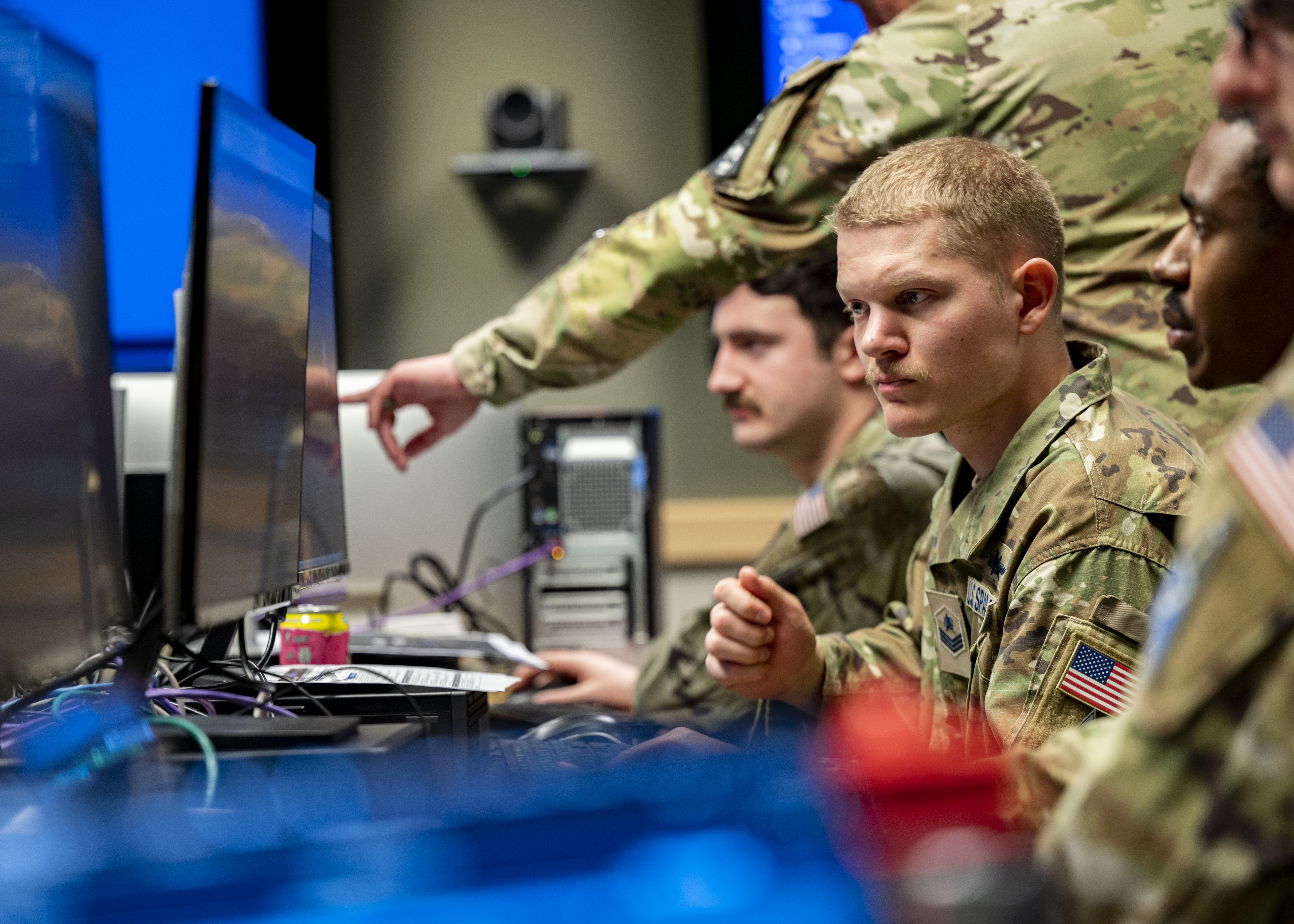
The new satellites will have improved resilience and cyber capabilities and provide polar coverage - a capability not featured on the legacy satellites.

The United States Air Force and Space Force announced that they had smashed through their 2025 recruiting goals three months ahead of schedule - following simi…

The service is studying alternatives to the Space Development Agency's Transport Layer, which is providing small satellites for tactical communications.
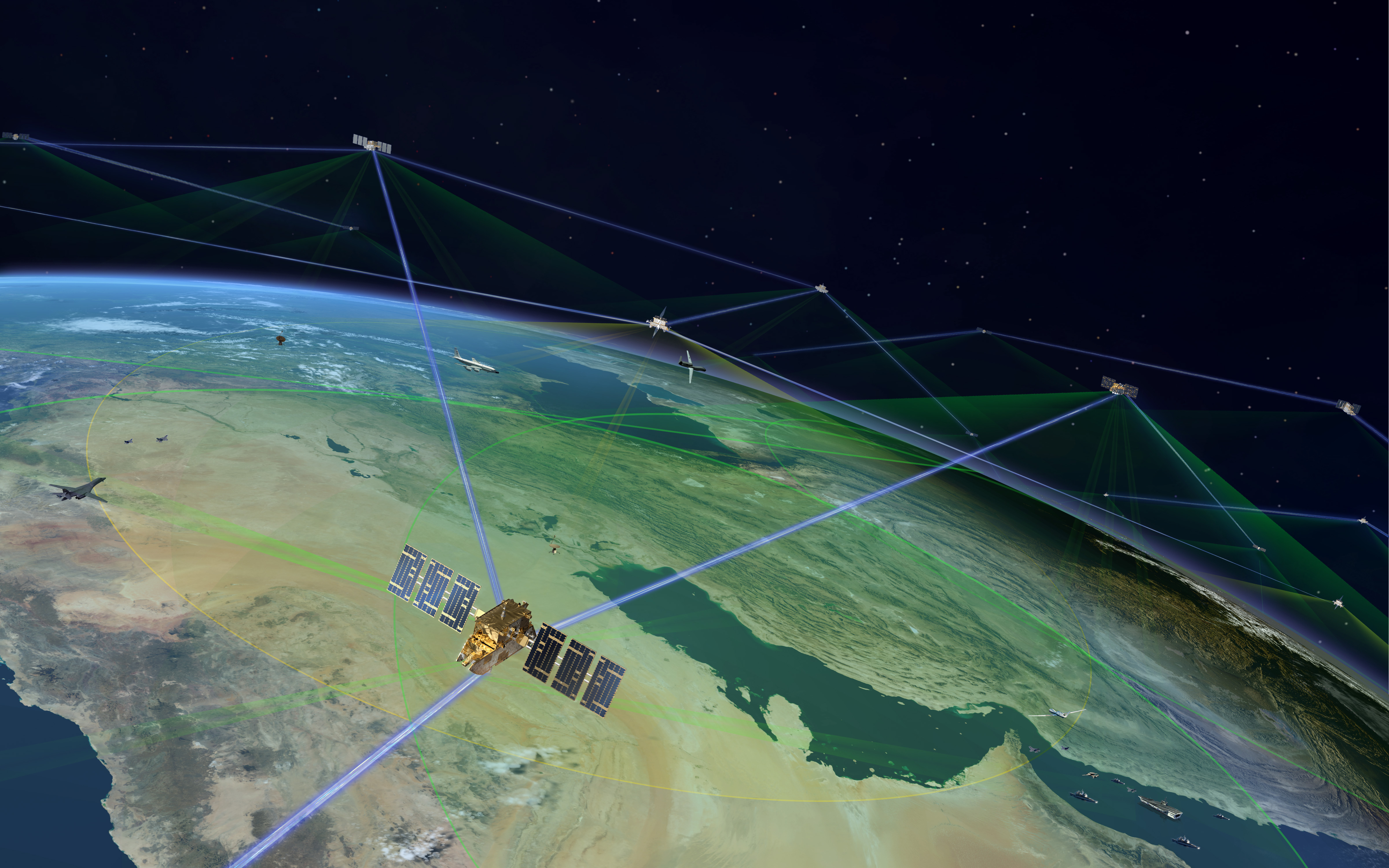
GAO has long warned the program's first launch would be delayed at least a year. Those projections could prove true, but perhaps for more nuanced reasons.
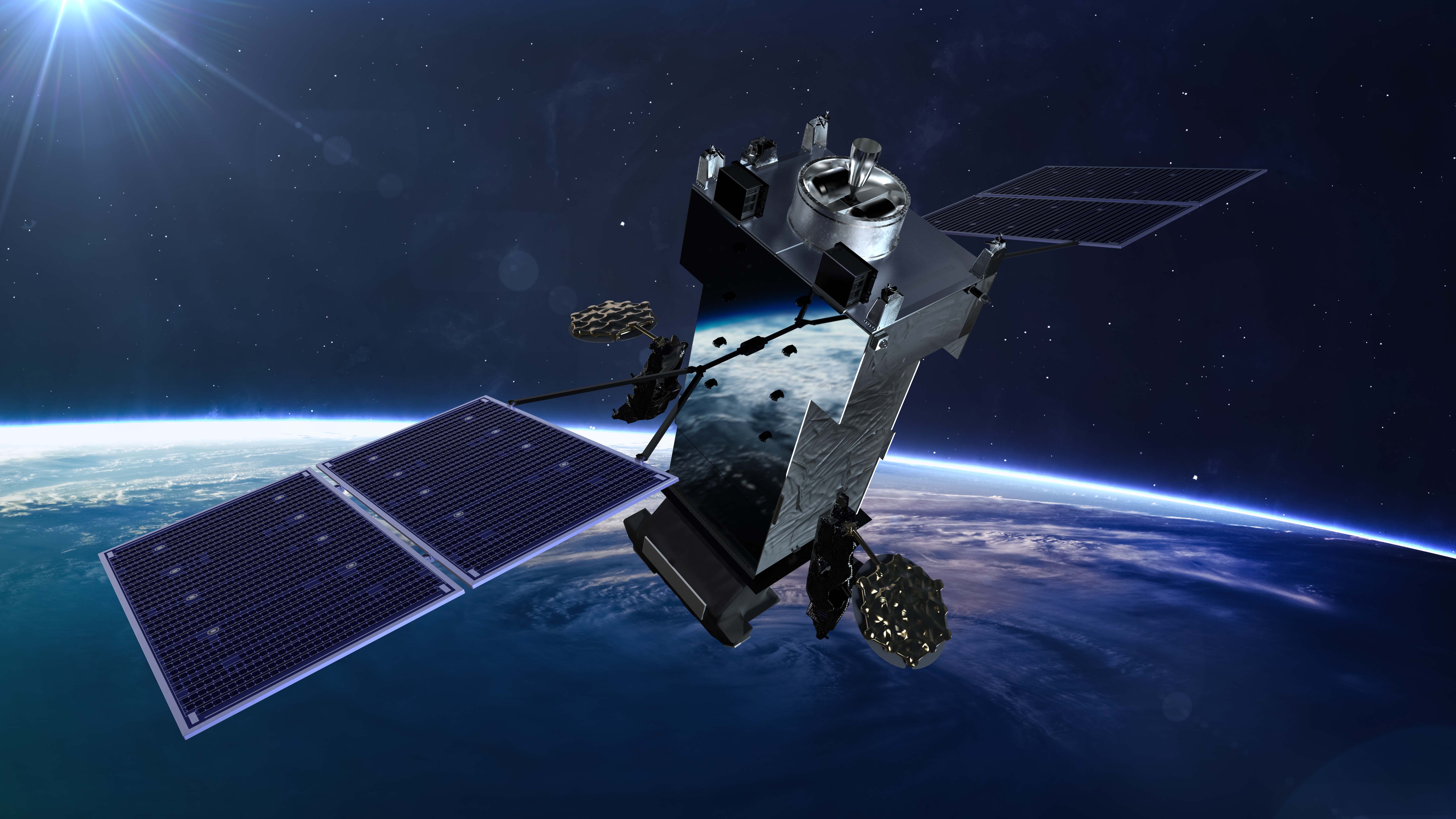
Under a new $4 billion contract, commercial launch firms will place task orders and pay directly for various services required to support.
The service announced the award Monday, making the company the first to be on contract for the program's second installment, dubbed Epoch 2.
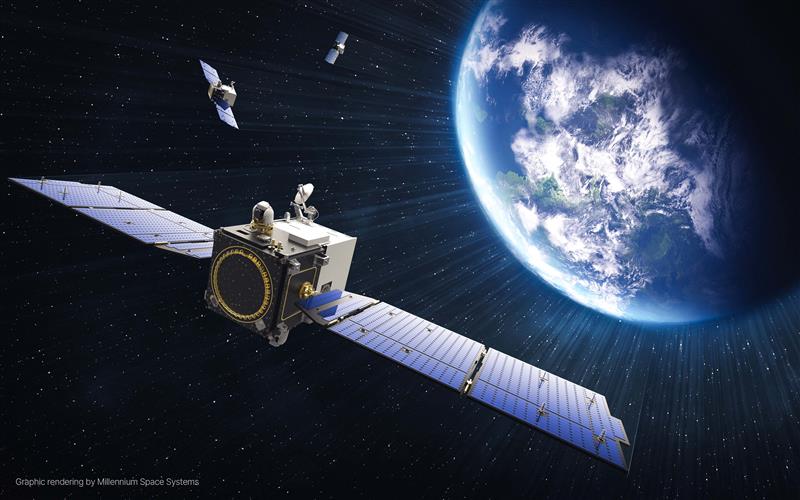
The launch was the second in a series the Space Force is running to test its ability to launch high-value satellites in response to operational needs.

In a May 16 notice, the service calls for feedback from firms that can provide space domain awareness in the "increasingly congested orbital environment."
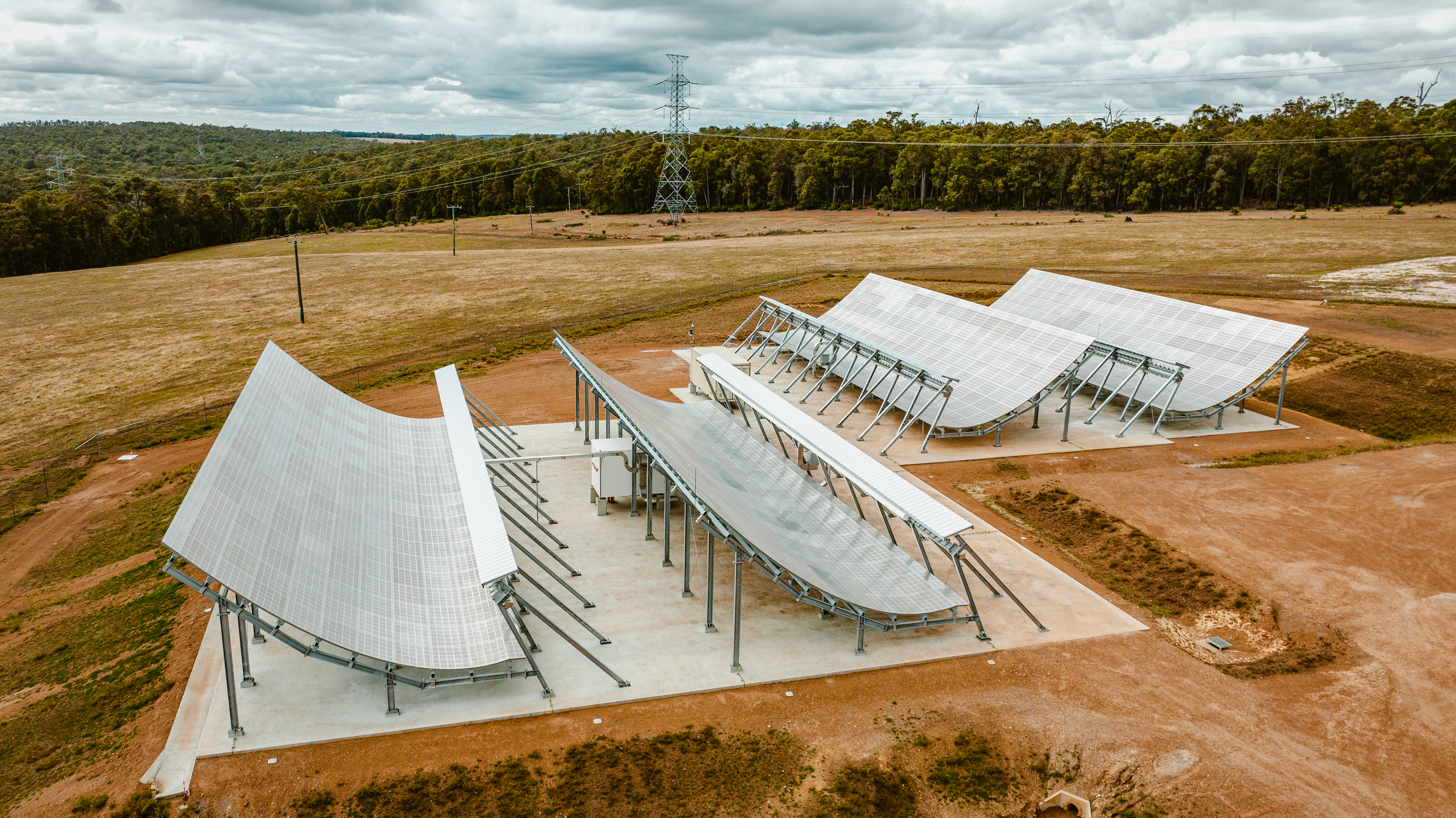
Unlock the AI Macro Analyst to drill down into the data, explore hidden risks, and query the entire market briefing in real-time.
LOG IN / SUBSCRIBE