What's Happening
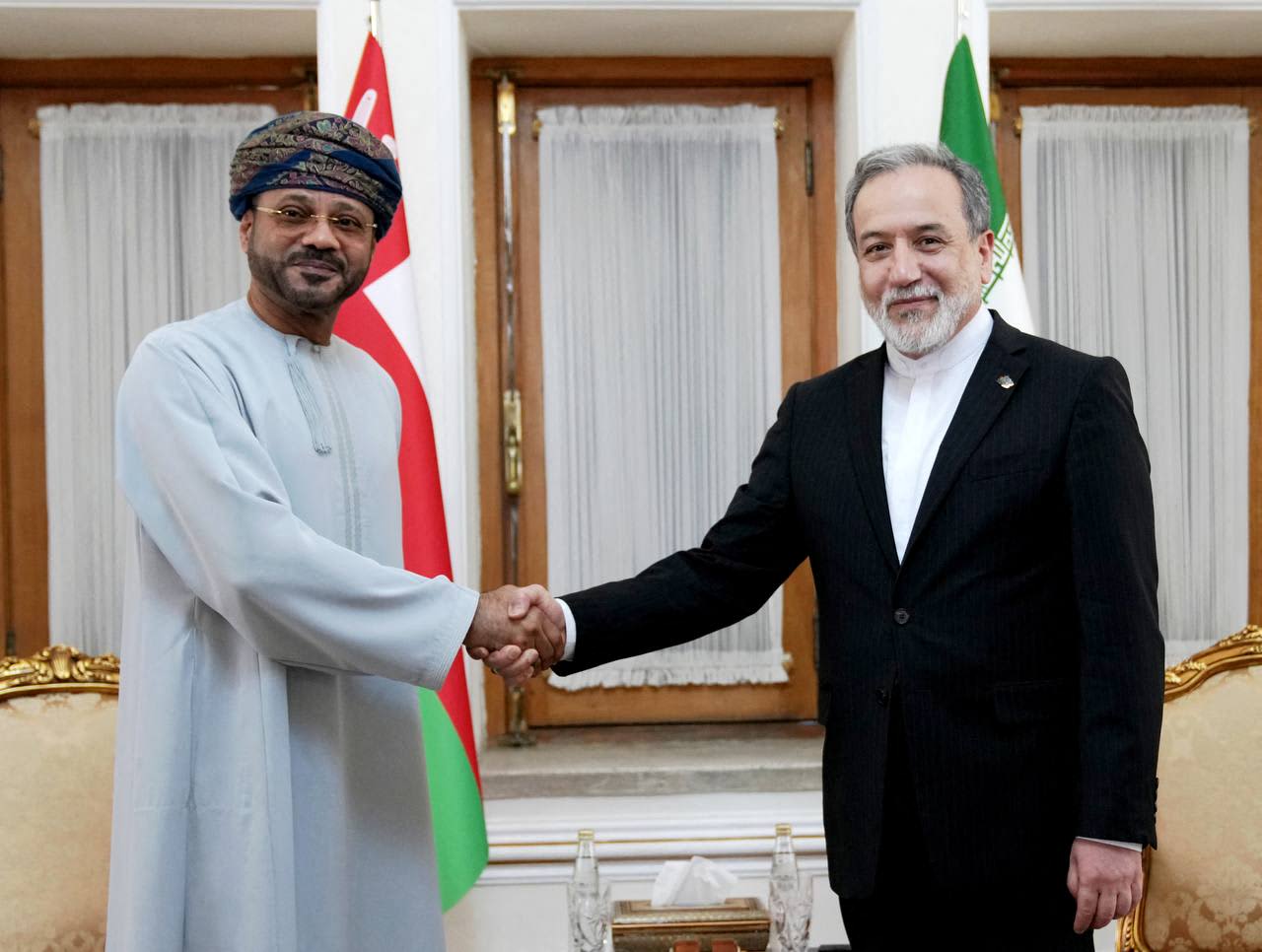
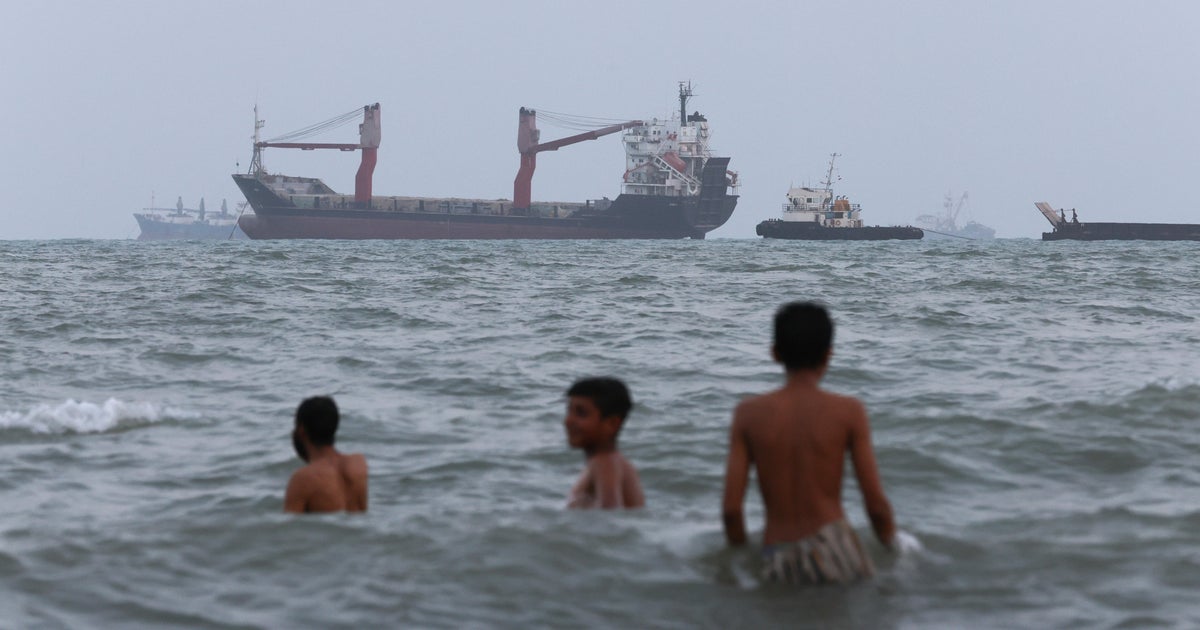
Iran and Oman are negotiating a proposal to temporarily reopen the Strait of Hormuz, a critical chokepoint for global oil transit, contingent on the United States lifting its blockade on Iranian trade. The talks signal potential de-escalation but remain contingent on U.S. policy shifts.
Market Impact
Any reopening of the Strait would ease energy supply constraints and likely pressure crude oil prices downward, benefiting refiners and energy consumers while pressuring oil producers. Current uncertainty keeps geopolitical risk premiums embedded in energy markets; resolution could trigger a 5-10% oil price correction.
Broader Implications
The Strait of Hormuz handles roughly 20% of global oil trade; any disruption or reopening has outsized implications for global energy security, inflation, and geopolitical stability in the Middle East.