U.S. importers still paying Trump's illegal tariffs even after Supreme Court ruling
Strong Bearish
-100.0

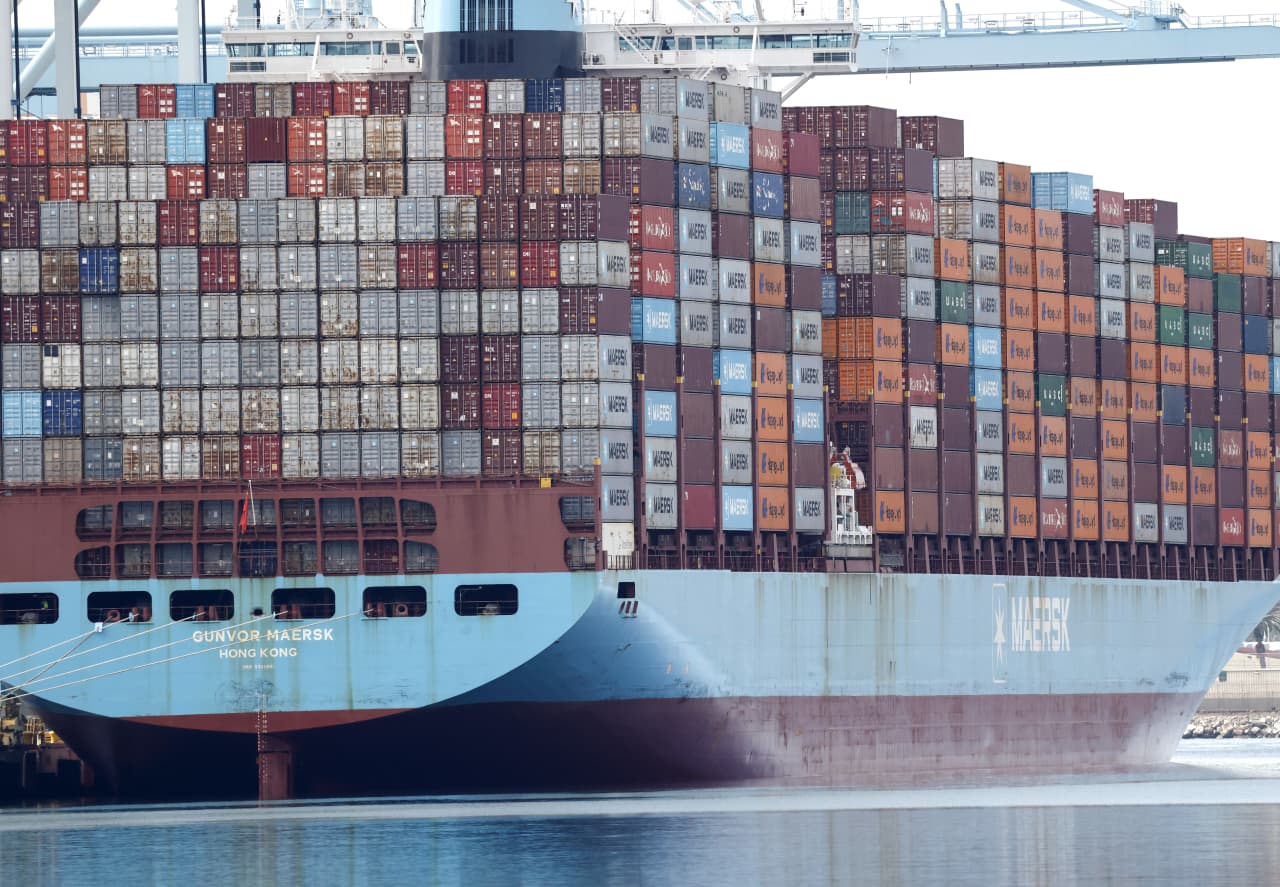
Billions in U.S. cargo are still being slapped with Trump's "reciprocal" tariffs even after being struck down by the Supreme Court ruling.
Pulse AI Analysis
Despite the Supreme Court's ruling that Trump's reciprocal tariffs are illegal, U.S. importers are caught in a bureaucratic snag, still paying these duties as the U.S. Customs and Border Protection (CBP) systems have not been updated to reflect the change. This may temporarily disrupt trade flow efficiency and increase operational costs for businesses, as they must manage the financial burden of paying tariffs now and possibly seeking refunds later.
- **Market Impact**:
- **Immediate Financial Strain**: Importers facing unexpected costs may see an impact on cash flow and financial planning, particularly smaller firms with tighter budgets.
- **Logistical Delays**: The ongoing requirement to report tariffs could slow down the processing of imports, creating bottlenecks at ports and delaying the supply chain.
- **Sector Specific Effects**: Industries heavily reliant on imported goods, such as retail and manufacturing, might face higher costs in the short term which could be passed on to consumers.
- **Legal and Compliance Complexity**: Businesses will need to navigate the complexities of amending entries and possibly seeking refunds, requiring additional administrative work and resources.
- **Long-Term Uncertainty**: The lack of clarity on refund mechanisms and timelines from the Court of International Trade adds a layer of uncertainty that could affect investment and operational decisions.
**Takeaways**:
- Importers should prepare for short-term financial and logistical disruptions.
- Businesses might need to reassess near-term financial forecasts and supply chain strategies.
- Monitoring updates from CBP and the Court of International Trade is crucial for compliance and to capitalize on potential refund opportunities.
- **Market Impact**:
- **Immediate Financial Strain**: Importers facing unexpected costs may see an impact on cash flow and financial planning, particularly smaller firms with tighter budgets.
- **Logistical Delays**: The ongoing requirement to report tariffs could slow down the processing of imports, creating bottlenecks at ports and delaying the supply chain.
- **Sector Specific Effects**: Industries heavily reliant on imported goods, such as retail and manufacturing, might face higher costs in the short term which could be passed on to consumers.
- **Legal and Compliance Complexity**: Businesses will need to navigate the complexities of amending entries and possibly seeking refunds, requiring additional administrative work and resources.
- **Long-Term Uncertainty**: The lack of clarity on refund mechanisms and timelines from the Court of International Trade adds a layer of uncertainty that could affect investment and operational decisions.
**Takeaways**:
- Importers should prepare for short-term financial and logistical disruptions.
- Businesses might need to reassess near-term financial forecasts and supply chain strategies.
- Monitoring updates from CBP and the Court of International Trade is crucial for compliance and to capitalize on potential refund opportunities.
This analysis was generated using Pulse AI, Glideslope's proprietary AI engine designed to interpret market sentiment and economic signals. Results are for informational purposes only and do not constitute financial advice.