

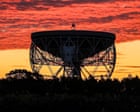
World-class Jodrell Bank is under threat and UK risks a physics brain drain
Funding crisis could lead to an exodus that would be a blow for British science and national growthOn a chilly day in December 1945, Bernard Lovell, a physicist at the University of Manchester, struck out for the Cheshire countryside to study cosmic rays, the streams of high-energy particles that crisscross the universe. Peering at the signals from his army surplus radar, he made an unexpected discovery: radio refle…
AI brief
Pulse reads the full article- What happened
- Why it matters
- What to watch
Sign in to get the AI brief. Pulse explains what happened, why it matters, what to watch and who's exposed. Free for members.
Sign in to read the brief